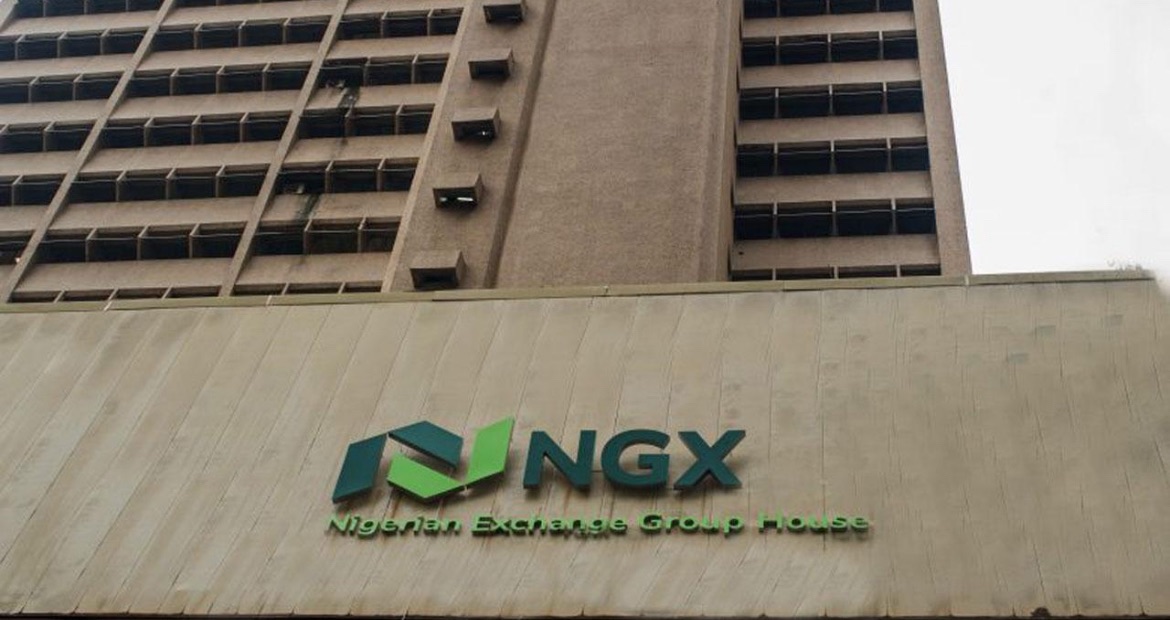

Nigeria is set to return to the FTSE Russell Frontier Market classification on September 21, 2026, in a move that could put the country’s capital market back on the radar of international investors and create fresh opportunities for Nigerian businesses seeking long-term capital.
FTSE Russell confirmed that Nigeria’s reclassification from “Unclassified” to “Frontier Market” will take effect when trading opens on Monday, September 21. The decision represents a major change for Nigeria after almost three years outside the global index provider’s market classification system.
For Nigeria, the development is more than a change in market labels. It could improve the visibility of Nigerian stocks among international fund managers that use global indices to guide investment decisions. It may also help deepen trading activity on the Nigerian Exchange and make it easier for local companies to access foreign capital.
The Nigerian Exchange Group has described the development as an important step in rebuilding the country’s position in the international investment community.
Temi Popoola, Group Managing Director and Chief Executive Officer of NGX Group, said the real importance of the reclassification would be Nigeria’s ability to convert greater international visibility into broader participation, deeper market liquidity and more capital for Nigerian businesses.
FTSE Russell is a major global provider of financial market indices. Its classifications help international investors assess the accessibility and development of different markets.
Nigeria was previously classified as a Frontier Market by FTSE Russell but was moved to “Unclassified” status after problems surrounding foreign-exchange liquidity and investors’ ability to enter and exit the Nigerian market became significant concerns.
The removal reduced Nigeria’s presence within major global investment benchmarks and contributed to concerns about the country’s ability to attract consistent foreign portfolio investment.
The return to the Frontier Market category therefore signals that some of those concerns have improved.
FTSE Russell said its latest decision followed improvements in areas including foreign-exchange liquidity, capital repatriation and market accessibility. It also reviewed the effect of Nigeria’s transition to a faster securities settlement system.
One of the most important reforms behind the latest decision is Nigeria’s move from a T+2 to a T+1 settlement cycle.
Under the T+1 system, securities transactions are completed one business day after the trade instead of two. Nigeria introduced the new settlement cycle in June 2026 as part of efforts to modernise its capital market and bring its infrastructure closer to international standards.
The change initially created uncertainty for Nigeria’s FTSE reclassification because FTSE Russell was concerned about whether the shorter settlement period could create additional funding or operational difficulties for foreign investors.
FTSE Russell has now confirmed that no material settlement, operational or funding problems have been observed since the T+1 system was introduced. The global index provider consequently confirmed that the reclassification would proceed as scheduled on September 21.
The decision is significant because it suggests that the new settlement structure has so far been able to operate without creating the level of disruption that international investors feared.
The biggest potential benefit may not be limited to stock-market traders.
A stronger connection to international capital markets could benefit Nigerian companies that need funding to expand production, acquire new assets, develop infrastructure or enter new markets.
Greater foreign participation could also improve liquidity in some highly traded Nigerian stocks. More buying and selling activity can make it easier for investors to enter and exit positions, although the impact will depend on how much foreign capital actually returns.
Nigeria has spent years trying to attract foreign investment while dealing with concerns around currency volatility, capital repatriation and market accessibility. The FTSE decision provides a positive signal, but it does not automatically guarantee a flood of foreign money.
Investors will still consider the naira, interest rates, inflation, corporate earnings, economic growth and the ability to repatriate funds before committing substantial capital.
The prospect of Nigeria’s return has generated renewed interest in Nigerian equities.
Recent market activity has shown that investors are already paying close attention to companies that could benefit from increased international exposure. Nigerian equities also recorded a strong recovery at the end of last week, with market capitalisation increasing by N1.383 trillion on Friday alone after a prolonged period of losses.
However, the market remains sensitive to monetary policy and liquidity conditions.
The Nigerian equities market lost about N2.5 trillion in August, with the revised Open Market Operations framework among the factors influencing investor sentiment.
This means the FTSE development comes at a time when domestic investors are already balancing attractive opportunities against broader market risks.
The Federal Government has also indicated that Frontier Market status should not be regarded as Nigeria’s final destination.
Taiwo Oyedele, Chairman of the Presidential Fiscal Policy and Tax Reforms Committee, said the country wants to build a deeper, more liquid and competitive capital market capable of progressing towards Emerging Market status.
Nigeria will need to maintain foreign-exchange liquidity, strengthen investor confidence, improve market transparency and ensure that foreign investors can move money into and out of the country efficiently.
The country will also have to sustain reforms that make Nigerian businesses more competitive and attractive to international investors.
For the NGX, the immediate opportunity is to turn Nigeria’s restored international visibility into actual investment.
For Nigerian companies, the development could eventually mean access to a wider pool of investors and capital.
For foreign investors, it puts Nigeria back into a recognised global investment universe.
The FTSE Russell classification may reopen the door, but Nigeria’s ability to keep that door open will depend on whether the country can sustain the reforms that brought it back in the first place.