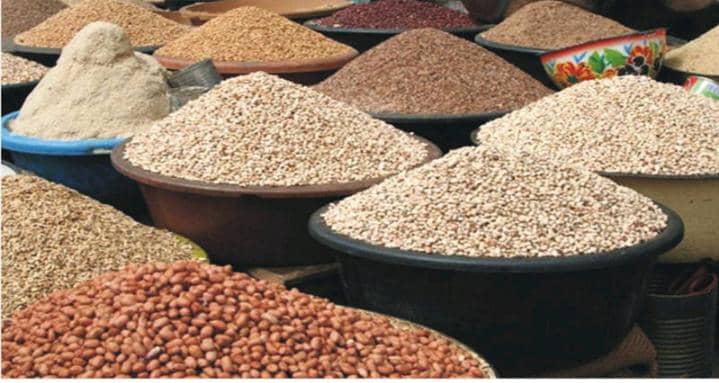

In 2025, Nigeria’s agricultural sector is thriving, with a NAERLS report spotlighted by Businessday NG revealing a significant increase in “food output” and a welcome decline in prices. The surge in production, up 12-18% for staples like maize, rice, and yam, is driven by favorable weather, advanced farming methods, and robust government support. Dr. Yusuf Abubakar, NAERLS Executive Director, emphasized, “Enhanced agricultural practices and timely interventions have driven this progress.”
The report highlights a 10-15% drop in prices for key crops, thanks to abundant supply and better market access. For instance, a 100kg bag of maize is now more affordable, easing the burden on households. Mrs. Aisha Mohammed, a trader in Kano, noted, “We’re seeing more food in the markets, and prices are friendlier.” This trend of “lower prices” is a boon for consumers across Nigeria.
Government initiatives, including subsidies for fertilizers and irrigation projects, have fueled this growth. Farmers are also leveraging technology, using mobile apps for weather forecasts and market insights. However, challenges like post-harvest losses and high transport costs persist. Dr. Abubakar called for “continued investment in storage and rural infrastructure” to maintain momentum.
Looking ahead, NAERLS projects a 6% growth in agriculture by 2026 if current efforts persist. While climate risks and economic uncertainties loom, the rise in “food output” and “lower prices” signals a promising step toward food security and economic stability for Nigeria.