
In a concentrated push to attract foreign capital and stabilize its economy, Nigeria is launching a dual-track diplomatic offensive, combining high-level state visits with granular deal-making at the world’s premier economic forum. As President Bola Tinubu prepares for a state visit to Turkey, Vice President Kashim Shettima has returned from the World Economic Forum (WEF) in Davos, where he inaugurated a permanent Nigerian investment hub and appointed a key operative to spearhead its deal engine. This synchronized strategy underscores the administration’s urgent focus on using economic diplomacy to address pressing macroeconomic challenges, including inflation and the need for job-creating investments.
The diplomatic calendar reflects this urgency. President Tinubu, recently returned from Abu Dhabi, is set to depart for Turkey at the invitation of the Turkish government. While the agenda details are under wraps, such state visits are typically leveraged to secure bilateral agreements in trade, energy, and infrastructure—sectors critical to Nigeria’s “Renewed Hope” agenda. This outward engagement is complemented by Vice President Shettima’s just-concluded mission, which served to reposition Nigeria on the global stage. In Davos, Shettima asserted that the country has “reclaimed a frontline seat in global and regional policy conversations” and outlined a new national food security framework, framing agriculture as a pillar of macroeconomic stability.
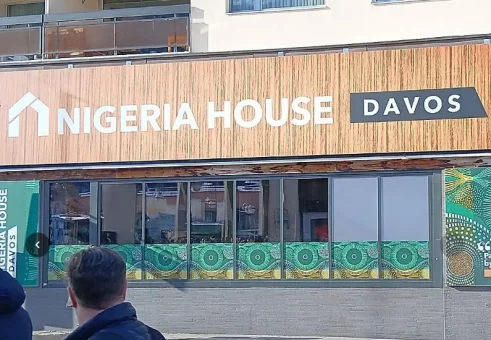
Central to this repositioning is the newly commissioned Nigeria House Davos, the country’s first sovereign pavilion on the Davos Promenade. Designed as a permanent showcase for opportunities in solid minerals, agriculture, and the digital economy, the platform is intended to move beyond episodic forums to sustained engagement. Its operational heart is the newly established Deal Room, described as the “engine room for high-level negotiations” aimed at converting global interest into “real economic outcomes”.
To lead this critical facility, the government has appointed Bobo Ajudua, a legal strategist and principal partner at BFA & Co Legal. Ajudua’s mandate is to oversee deal facilitation across priority sectors like energy, infrastructure, oil and gas, technology, and the creative economy. In accepting the role, Ajudua framed it as a responsibility to “translate Nigeria’s ambition into bankable, executable partnerships,” ensuring conversations at the forum progress “from interest to intent, and from intent to action”. His appointment signals a deliberate move to blend legal acumen with investment structuring expertise to de-risk opportunities for international investors.
The aggressive diplomatic drive is set against a backdrop of cautiously improving but fragile economic indicators, which Shettima actively promoted to investors in Davos. He cited a projected 4.4% GDP growth for 2026 and a decline in inflation to 12.94%, alongside Nigeria’s imminent transition to a net exporter of refined petroleum products and the growing export of digital talent. These data points form the core of the government’s narrative of stabilization and growth, which the Deal Room at Nigeria House is now tasked to substantiate with signed agreements.
Industry observers see the establishment of Nigeria House and its Deal Room as a “clear repositioning” and a “focal point for Nigeria’s international economic diplomacy”. It offers a coordinated narrative of reform and readiness, directly linking the government’s policy announcements to a private sector-led deal facilitation process. The success of this model now hinges on its execution. The coming months will reveal whether the high-level access provided by the President’s travels and the vice president’s advocacy can be effectively channeled through the Deal Room to secure the investments needed to meet growth targets, curb inflation, and create jobs. For Nigeria’s economy, the proof will be not in the diplomacy itself, but in the deals it delivers.