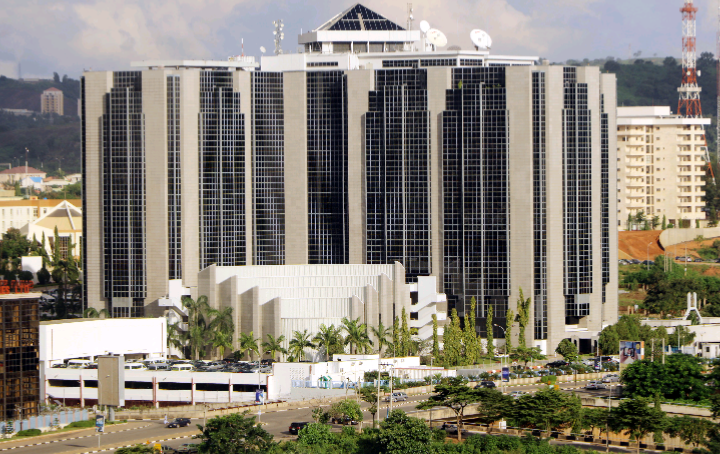

The Central Bank of Nigeria (CBN) has unveiled a cautiously optimistic 2026 outlook, expecting headline inflation to slow significantly and forecasting a bullish performance in Nigeria’s capital markets. This projection reflects improving price trends as well as strengthening financial conditions in the world’s largest African economy.
According to the CBN’s latest Macroeconomic Outlook report, average inflation is expected to ease to around 12.94% in 2026. This forecast is largely linked to anticipated declines in food costs and lower prices of petrol, locally known as Premium Motor Spirit (PMS). The expectation is that these key drivers of household prices will exert less upward pressure on the general price level next year.
“Headline inflation is projected to moderate to an estimated average of 12.94 per cent in 2026, driven by declining food and premium motor spirit (PMS) prices,” the bank noted in its report.
The report also underscores a positive outlook for Nigeria’s capital market, suggesting that investor confidence and stock market activity could strengthen further. This bullish view is linked to several supporting factors, including ongoing bank recapitalisation efforts, improved regulatory frameworks, and broader policy reforms aimed at promoting financial stability and economic growth.
The CBN highlighted that multiple economic forces will shape liquidity, credit, and market conditions in 2026. These include exchange rate movements, government fiscal operations, and spending associated with upcoming elections, as well as the continued implementation of prudent regulatory measures designed to protect the financial system.
This outlook builds on recent policy adjustments and structural reforms. Efforts to restore macroeconomic balance follow a period marked by persistent inflation and volatility in the foreign exchange market. By moderating price pressure and enhancing market depth, the CBN aims to accelerate confidence among consumers and investors alike.
In practical terms, should these projections come to pass, Nigerians may begin experiencing some relief at the checkout counter, with slower growth in food and energy prices. This would not only make everyday goods more affordable but also improve planning conditions for businesses.
A bullish capital market outlook may translate into more investment activity, particularly as improved regulatory clarity and recapitalisation initiatives attract participation. Increased market liquidity could help deepen financial intermediation, offering a broader range of opportunities for both institutional and retail investors.
“Nigeria’s headline inflation rate moderated to 14.45 per cent in November 2025, marking a significant slowdown from the 16.05 per cent recorded in October 2025,” the report reminds readers, highlighting recent progress in price control.
The CBN’s outlook remains grounded in cautious optimism. While emphasising the benefits of continued structural reform and monetary discipline, it also acknowledges the uncertainties that lie ahead, including potential global economic shifts, fluctuations in oil markets, and domestic policy challenges.
Easing inflation to 12.94% could boost Nigeria’s economic growth by improving consumer purchasing power and reducing production costs for businesses. A bullish capital market may attract foreign and domestic investment, bolster liquidity, and strengthen the naira, contributing to GDP expansion and enhancing financial sector resilience amid ongoing structural reforms.