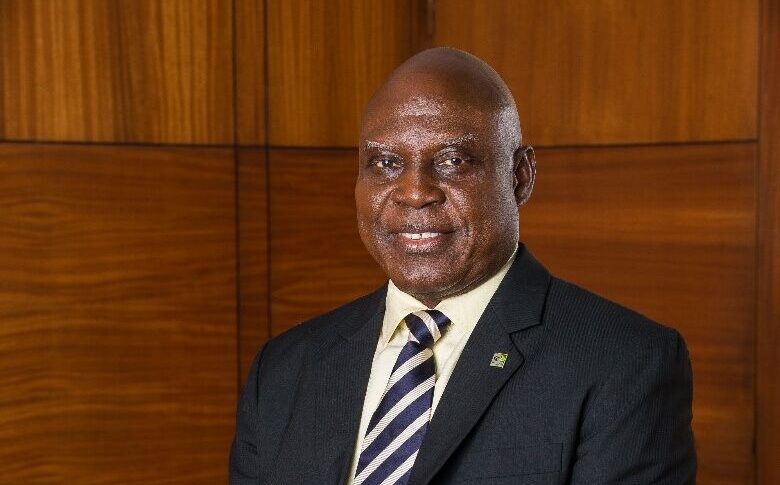

Nigerian pharmaceutical entrepreneur Fidelis Ayebae has seen the value of his stake in Fidson Healthcare Plc surge past $21 million, a remarkable gain driven by growing investor confidence in domestic drug production.
Ayebae owns just over a third of Fidson, amounting to 759.6 million shares. At the start of 2025, his holding was valued at N11.77 billion ($8.2 million). It has now climbed to N30.39 billion ($21.15 million), representing an increase of nearly N18.61 billion ($12.95 million).
The rise comes amid a 158 percent rally in Fidson’s stock on the Nigerian Exchange this year. Shares moved from N15.5 ($0.011) in January to N40 ($0.027) per share, boosting the company’s market capitalisation to over $63.8 million.
The performance highlights renewed faith in Nigeria’s pharmaceutical sector, where local manufacturers are increasingly seen as crucial to reducing reliance on imported medicines and stabilising supply chains.
From distributor to industry leader
Fidson’s growth story mirrors Ayebae’s own journey. He founded the company in 1995 as a small distributor of imported drugs and seven years later established its first local manufacturing plant. In 2005, Fidson became the first Nigerian firm to produce antiretroviral medicines domestically, supporting the country’s HIV treatment programmes and cementing its reputation in the healthcare sector.
The company now produces a broad range of prescription and over-the-counter products, attracting both institutional and retail investors who see value in companies that can expand locally while meeting rising demand.
What it means for everyday Nigerians
The surge in Fidson’s stock is more than a win for shareholders. It signals a shift towards affordable, locally produced medicines, which could help curb the rising costs of healthcare and reduce pressure on households that often pay high prices for imported drugs.
As domestic pharmaceutical firms grow, patients stand to benefit from greater availability of essential medicines at more stable prices.