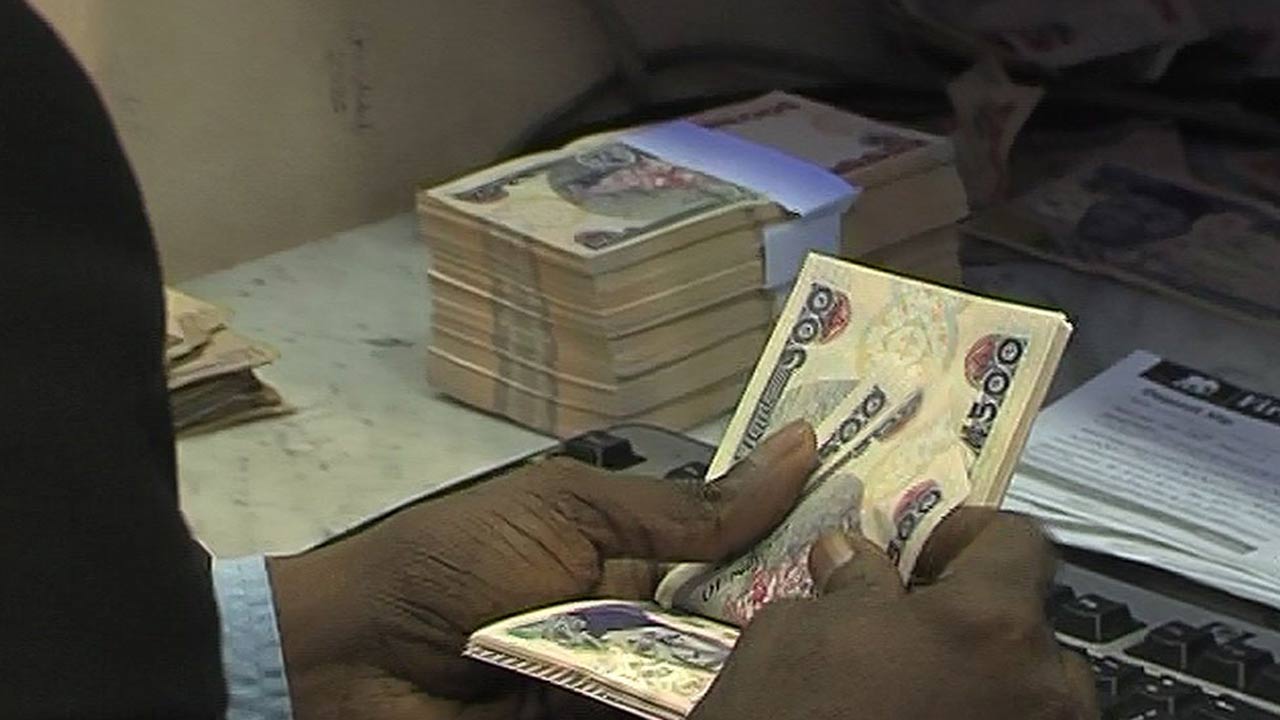

The Nigerian naira strengthened against the US dollar in the official foreign exchange market in July 2026, supported by improved dollar liquidity, stronger investor confidence and the Central Bank of Nigeria’s (CBN) sustained monetary tightening strategy.
Data from the FMDQ Securities Exchange showed the Nigerian Foreign Exchange Market (NFEM) rate closed at ₦1,369.64 per US dollar on Wednesday, July 22, 2026, compared with ₦1,372.41 at the beginning of July, representing a modest appreciation for the local currency despite episodes of volatility during the month.
The naira came under pressure in mid-July, weakening to ₦1,383.08 per dollar on July 14 as demand for foreign currency temporarily outpaced supply. However, the trend reversed in the second half of the month as liquidity improved, with the exchange rate strengthening steadily from ₦1,380.18 on July 17 to current levels.
The recovery underscores improving conditions in Nigeria’s official foreign exchange market, where increased dollar inflows and more efficient price discovery have helped narrow daily fluctuations compared with previous months.
The parallel market, however, continued to reflect stronger retail demand for foreign currency. Bureau de change operators quoted the naira between ₦1,409 and ₦1,415 per dollar as of July 22, slightly weaker than the roughly ₦1,400 recorded at the beginning of the month. While the gap between the official and parallel markets persists, analysts note that it remains significantly narrower than the wide disparities witnessed before Nigeria’s foreign exchange reforms.
Market participants attributed the official market’s resilience to a combination of stronger foreign exchange turnover, renewed interest in naira-denominated assets and the country’s improving external reserve position. Nigeria’s external reserves have climbed above $52 billion, providing the CBN with greater capacity to manage temporary liquidity shocks and support orderly market conditions when necessary.
Higher reserves also strengthen the country’s ability to meet external obligations and improve investor confidence, particularly as Nigeria continues to implement reforms aimed at creating a more transparent and market-driven foreign exchange system.
Analysts expect the naira’s near-term performance to remain closely tied to the pace of foreign currency inflows from oil exports, portfolio investors and remittances, as well as the CBN’s monetary policy stance. While global financial conditions and crude oil prices remain key external risks, sustained improvements in liquidity and reserve buffers could help keep the official exchange rate relatively stable in the coming weeks.
The latest performance suggests that, although pressures remain in the retail foreign exchange market, Nigeria’s official currency market is showing greater resilience than earlier in the year, reflecting the impact of tighter monetary policy and stronger foreign exchange fundamentals.