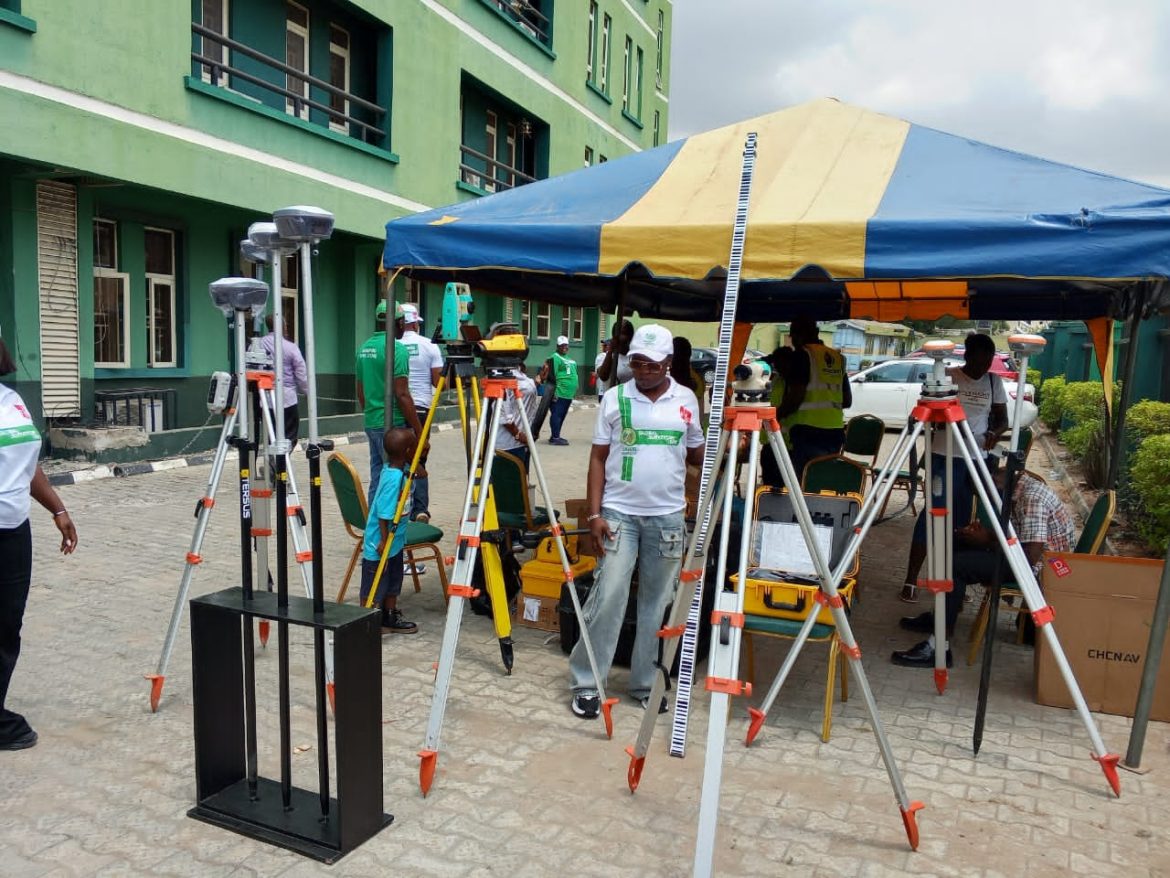

The Nigerian Institution of Surveyors (NIS) has identified funding constraints, inadequate infrastructure, and limited technological adoption as persistent challenges facing the surveying profession in Nigeria, calling for enhanced public-private collaboration to address these gaps. The institution’s President, Dr. Matthew Ibitoye, made the observation during the commemoration of Global Surveyors’ Day, celebrated annually on March 21 to recognise the contributions of surveyors to sustainable development and land administration worldwide.
Ibitoye noted that while surveying plays a foundational role in infrastructure development, urban planning, and land management, practitioners in Nigeria continue to grapple with obstacles that limit their effectiveness. “The profession requires significant investment in modern equipment and continuous capacity building, but many practitioners operate with limited resources. This affects the quality and speed of service delivery, which in turn impacts broader development outcomes,” he said.
Global Surveyors’ Day, established by the International Federation of Surveyors (FIG), provides an opportunity to reflect on the profession’s role in addressing societal challenges. This year’s theme focused on the contribution of surveyors to climate resilience and sustainable land use, areas where accurate geospatial data and professional expertise are increasingly critical. Ibitoye noted that Nigerian surveyors have a vital role to play in supporting national development priorities, including housing delivery, transportation infrastructure, and agricultural land management.
The NIS president highlighted the importance of modernising surveying practice to align with global standards. “Technology is transforming how surveying is done worldwide. Drones, satellite imagery, and advanced geographic information systems are now essential tools. Nigerian surveyors must embrace these technologies to remain competitive and deliver the level of accuracy and efficiency that modern projects demand,” he said. He added that the institution is working to facilitate access to training and equipment through partnerships with government agencies and private sector stakeholders.
Land administration in Nigeria faces longstanding challenges, including disputes over ownership, inadequate documentation, and overlapping statutory and customary tenure systems. Surveyors are central to resolving these issues, providing the technical foundation for land registration, boundary determination, and title verification. Ibitoye said that improved funding for surveying services could accelerate land reform efforts, supporting economic activities that depend on secure property rights, such as mortgage financing, agricultural investment, and large-scale infrastructure development.
The institution also used the occasion to call for greater integration of surveying into national planning processes. Ibitoye observed that projects sometimes proceed without adequate survey input, leading to design flaws, cost overruns, and disputes that could have been avoided. “Surveying is not merely a technical support service; it is a foundational step that determines the viability of any physical development. We urge governments at all levels to engage surveyors early in project planning and execution,” he said.
From an economic perspective, the challenges facing the surveying profession have implications that extend beyond the sector itself. Inefficient land administration contributes to delays in property transactions, increases the cost of housing, and creates uncertainty that discourages investment. Similarly, inadequate geospatial data hampers infrastructure planning, emergency response, and natural resource management. Addressing these gaps would yield benefits across multiple sectors, supporting the broader objectives of economic diversification and improved public service delivery.
The NIS also acknowledged the contributions of Nigerian surveyors working internationally, noting that their expertise is recognised across Africa and beyond. Ibitoye called on government to leverage this talent pool for national development, creating opportunities for diaspora surveyors to contribute to major infrastructure projects and capacity-building initiatives.
As the institution marks Global Surveyors’ Day, its leadership reiterated the commitment to advancing professional standards and advocating for policies that enable surveyors to contribute effectively to national development. Ibitoye expressed optimism about the profession’s trajectory, noting growing recognition among policymakers of the importance of accurate geospatial data and professional surveying services. “We are seeing increased engagement with government at federal and state levels. There is a growing understanding that development cannot proceed on a solid foundation without the input of qualified surveyors,” he said.