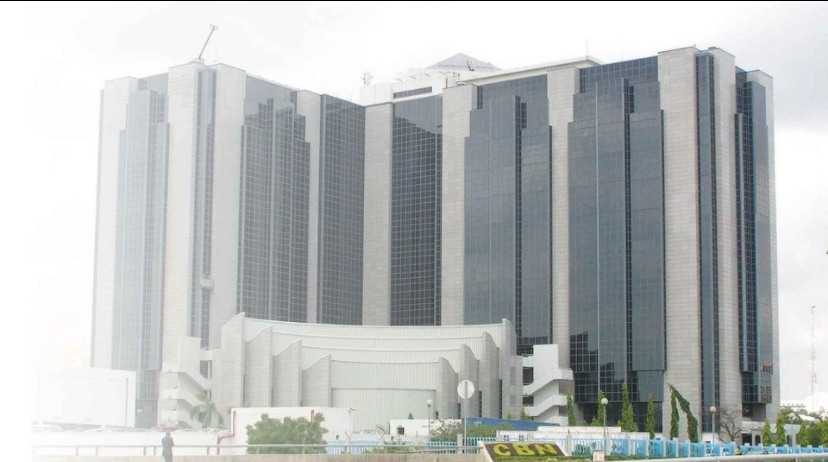

Nigeria’s banking industry is witnessing another wave of strong financial growth as major lenders continue to report higher profits, increased customer deposits, and stronger digital banking transactions despite economic pressures across the country.
Several leading financial institutions in Nigeria have expanded their earnings in recent months, driven by higher interest income, rising transaction volumes, and increased adoption of mobile and online banking platforms. Industry analysts say the performance reflects the resilience of the banking sector even as businesses and households face inflation and foreign exchange challenges.
Banks have benefited significantly from the growing use of digital channels by customers. More Nigerians now rely on mobile applications, internet banking, and USSD services for transfers, bill payments, savings, and loan requests. This shift has reduced pressure on physical branches while boosting transaction revenue for lenders.
Financial experts note that the rise in interest rates by the Central Bank of Nigeria also contributed to stronger earnings for banks. Higher lending rates allowed many institutions to generate more income from loans and investments in government securities.
Some of the country’s biggest lenders also expanded their regional operations across Africa, helping to diversify earnings beyond the Nigerian market. This strategy has become increasingly important as banks seek protection against local economic volatility.
Industry observers believe competition among banks has intensified, especially in retail banking and financial technology services. Many institutions are investing heavily in cybersecurity, artificial intelligence, and digital payment infrastructure to attract younger customers and improve customer experience.
The banking sector has also seen a sharp increase in agency banking services. Thousands of agents operating in rural and urban communities now provide financial services such as cash withdrawals, deposits, and transfers. Analysts say this expansion is improving financial inclusion across Nigeria, especially in areas with limited access to traditional banking branches.
However, challenges remain for the industry. Rising inflation continues to affect consumer spending and loan repayment capacity. Banks are also dealing with foreign exchange risks and tighter regulatory policies aimed at stabilizing the financial system.
Despite these concerns, market confidence in Nigerian banks remains relatively strong. Investors continue to show interest in banking stocks on the Nigerian Exchange due to consistent dividend payments and strong balance sheets.
Economic analysts expect banks to continue focusing on digital transformation, customer retention, and regional expansion in the coming years. They also predict that partnerships between traditional banks and fintech companies will increase as the financial services sector evolves rapidly.
Meanwhile, customers are demanding faster services, lower transaction costs, and improved security. Financial institutions are responding by upgrading banking applications, introducing new digital products, and improving fraud detection systems.
Experts say the future of Nigeria’s banking sector will largely depend on economic stability, regulatory reforms, and continued innovation. If current growth trends continue, banks could play a bigger role in supporting small businesses, infrastructure projects, and economic development across the country.
The sector’s strong performance is being viewed as a positive sign for Nigeria’s broader economy, especially as policymakers seek ways to attract investment, strengthen financial inclusion, and support long-term economic growth.