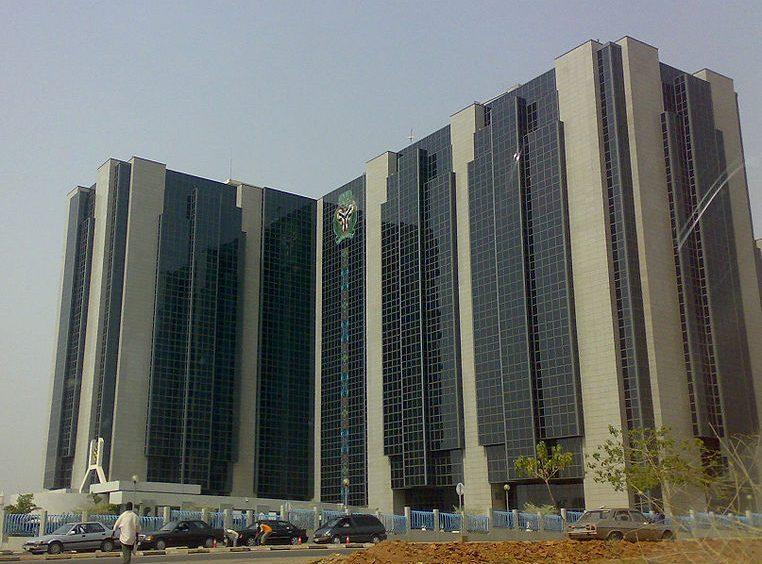

Nigerian banks have mobilised a total of N4.61 trillion in fresh capital as the March 31, 2026 recapitalisation deadline approaches, the Central Bank of Nigeria (CBN) has said.
CBN Governor, Olayemi Cardoso, disclosed this on Tuesday while speaking at the International Monetary Fund/Africa Regional Technical Assistance Centres (IMF/AFRITAC) West 2 forum in Abuja.
According to him, foreign investors accounted for nearly 27 per cent of the funds raised, reflecting renewed confidence in Nigeria’s banking sector despite ongoing economic reforms.
“Nigerian banks, in spite of navigating subsidy removals and exchange rate reforms, attracted N4.61 trillion in new capital, nearly 27 percent from foreign investors, while also expanding their footprint across African markets,” Cardoso said.
The capital raise comes as 34 banks are reported to have met the minimum requirements set by the apex bank under its ongoing recapitalisation programme.
The exercise, launched in 2024, requires commercial banks with international licences to maintain a minimum capital base of N500 billion, while national and regional banks are required to hold N200 billion and N50 billion respectively. Non-interest banks must meet thresholds of N20 billion for national operations and N10 billion for regional operations.
The policy mirrors the 2004 banking consolidation led by former CBN governor Charles Soludo, which significantly reduced the number of banks while strengthening the sector.
Cardoso emphasised the need for stronger regulatory cooperation across Africa as financial systems become increasingly interconnected.
“As African banks and financial systems become increasingly interconnected, collaboration among regulators is not optional but essential to safeguard stability and ensure shared prosperity,” he said.
He also reiterated the CBN’s strict stance on corporate governance, warning that violations would not be tolerated.
“Our stance on corporate governance is unequivocal; zero tolerance for violations,” he said. “By ending years of regulatory forbearance, we have reinforced accountability, tightened supervision, and elevated compliance standards across the sector.”
On monetary policy, the governor said the CBN remains committed to orthodox measures aimed at restoring price stability and strengthening policy credibility.
He added that the bank is also tightening oversight of financial technology firms to balance innovation with systemic stability.
In addition, Cardoso revealed that the apex bank has introduced restrictions on banking services for chronic loan defaulters as part of efforts to enforce credit discipline. “In line with this, we have implemented a restriction of banking services to non-performing large-ticket obligors,” he said.
The measure, he noted, is designed to improve repayment culture, protect depositors, and enhance overall financial system stability.