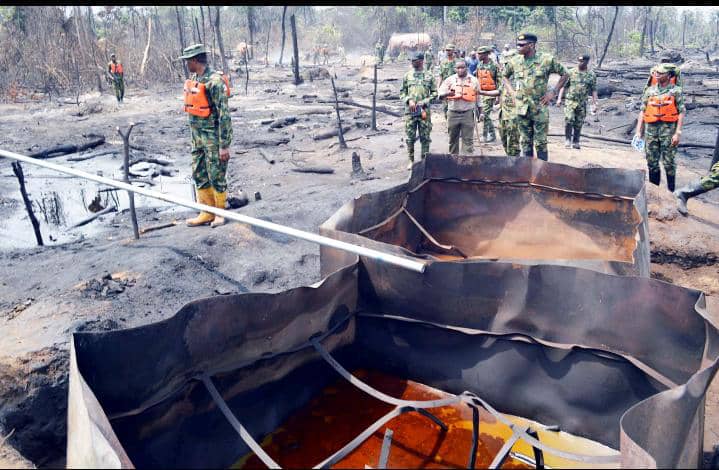

The Nigerian Army has intercepted a shipment of stolen crude oil valued at ₦150 million in the troubled Niger Delta region, according to reports. The seizure marks a significant effort by security forces to clamp down on the rampant oil theft that continues to plague the country’s most important revenue source.
According to military officials, the recovered crude was being trafficked via clandestine operations that bypass official channels. The oil, siphoned from pipelines in the Niger Delta, is believed to have been destined for illegal refineries. Such bunkering operations often operate with impunity, turning once-sophisticated infrastructure into access points for criminal syndicates.
In a statement, the Army emphasized that this operation is part of a broader crackdown on illicit oil production and trafficking. The military said that intelligence, surveillance, and coordinated action with naval and intelligence units helped identify and dismantle the network behind this particular shipment.
The incident, however, sheds light on a deeper, systemic issue: organized criminal groups continue to exploit Nigeria’s oil-rich Niger Delta, siphoning resources that should contribute to national development. These theft operations not only deprive the government of vital revenue, but they also undermine the stability of oil infrastructure and fuel corruption.
Environmental activists have long warned of the destructive consequences of such theft. Refineries operating in makeshift conditions are often poorly maintained and can lead to dangerous spills, fires, and toxins contaminating local waterways, farmland, and communities. These practices not only harm the delicate ecosystem of the Niger Delta, but also worsen social inequities in host communities.
Despite repeated interventions, the problem persists largely because of the high profitability of oil bunkering. According to energy analysts, setting up an artisanal refinery in the Delta requires only minimal capital, while monthly profits can be substantial, incentivizing more actors to join the illicit trade.
The Army’s success in this latest seizure shows that security forces are active, but many believe that stopping crude theft will require more than military action. Community engagement, stronger regulation, and better oversight of oil infrastructure are essential to address the root causes of the theft cycle. Reforms such as increasing the flow of benefits to host communities, coupled with robust enforcement, could reduce the incentives for local actors to engage in illegal refining.
Nigeria loses more than ₦4.3 trillion in five years to crude oil theft, according to the Nigeria Extractive Industries Transparency Initiative (NEITI). These losses undermine national revenues, weaken fiscal stability, and discourage foreign investment in the country’s oil sector.