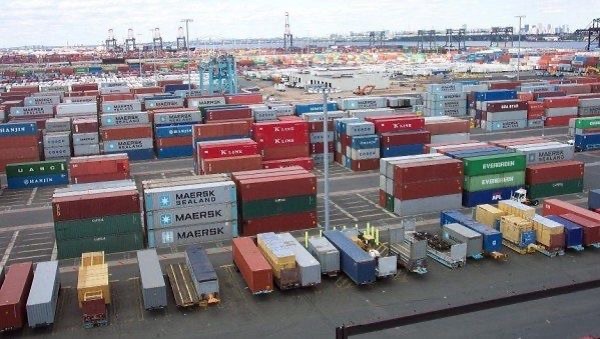

Nigeria is taking bold steps to transform its maritime sector and strengthen its position as a leading trade hub in West Africa. Despite controlling more than 60 percent of the region’s economy, the country currently handles only about 25 percent of cargo traffic, highlighting a major gap between its economic strength and port performance.
According to the Managing Director of the Nigerian Ports Authority, Abubakar Dantsoho, this imbalance is largely due to long-standing issues such as port congestion, poor infrastructure, and inefficient processes.
To address these challenges, the administration of Bola Ahmed Tinubu has launched a comprehensive reform plan aimed at modernizing ports, improving efficiency, and unlocking the country’s marine and blue economy potential.
At the heart of this effort is a $1 billion investment approved by lawmakers to upgrade key facilities, including the Lagos Port Complex and Tin Can Island Port. These upgrades are expected to fix decades of infrastructure problems, improve safety, and make Nigerian ports more competitive globally.
Nigeria’s ports handle over 90 percent of the country’s international trade by volume, making them critical to economic growth. However, inefficiencies have allowed smaller countries in the region to attract more cargo traffic.
Dantsoho emphasized that Nigeria can no longer rely on its geographic advantage alone. Instead, success will depend on speed, innovation, and reliability—especially under the African Continental Free Trade Area, which is opening up trade across the continent.
To improve operations, the government is investing in modern cargo handling systems, expanding port capacity, and reducing delays. Work is already ongoing in Lagos ports, with plans to extend upgrades to other locations such as Warri, Port Harcourt, Onne, and Calabar.
Beyond physical infrastructure, Nigeria is also focusing on digital solutions. New systems like the Port Community System and the National Single Window platform are being introduced to simplify documentation, improve transparency, and reduce corruption.
These digital tools are expected to speed up cargo clearance and lower business costs, making Nigerian ports more attractive to traders.
At the same time, new deep seaports are being developed in coastal states, including the Lekki Deep Sea Port, which can handle larger ships and increase cargo capacity. These projects aim to reduce congestion in existing ports and expand the country’s maritime capabilities.
The government is also working to improve how goods move from ports to other parts of the country. Investments in rail systems, inland dry ports, and barging operations are helping to ease congestion and ensure smoother transportation.
Maritime security has also improved significantly. Nigeria has recorded over four years without piracy incidents, thanks to enhanced surveillance and security programs. This has boosted investor confidence and made the sector more stable.
Early signs of progress are already visible. Revenue generated by agencies under the marine and blue economy sector has increased significantly, reflecting improved efficiency and reforms.
Experts believe that better port operations will reduce costs, boost exports, and support industrial growth, especially in non-oil sectors.
However, challenges remain, including funding gaps, bureaucratic delays, and the need for consistent policies. There are also concerns about whether improvements at the ports will be matched by better infrastructure inland.
Despite these obstacles, the government remains optimistic. With ongoing reforms and investments, Nigeria aims to fully utilize its 823-kilometre coastline and strategic location along the Gulf of Guinea.
If successful, these efforts could transform Nigeria’s ports into powerful drivers of economic growth and position the country as a dominant force in African trade for years to come.