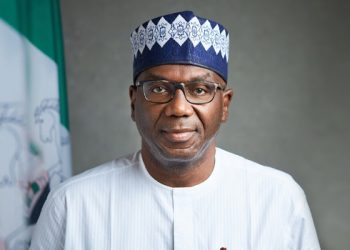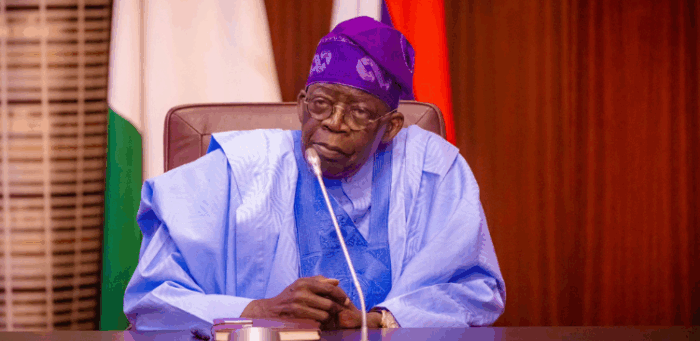

President Bola Tinubu has formally completed his cabinet, presiding over the swearing-in of two new ministers at the Federal Executive Council (FEC) meeting in Abuja. The appointments are seen as a critical effort to inject renewed vigour into the administration’s drive to reform the economy and alleviate hardship across the nation.
The new cabinet members, Dr. Bernard Mohammed Doro from Plateau State and Mr. Kingsley Tochukwu Udeh (SAN) from Enugu State, took their oaths of office before immediately joining the crucial FEC session. Dr. Doro has been assigned the challenging portfolio of the Ministry of Humanitarian Affairs and Poverty Reduction, while Mr. Udeh will take charge of the Ministry of Science, Technology and Innovation.
This fortification of the cabinet is particularly significant given the current economic climate. Nigeria is grappling with high inflation, a depreciating currency, and widespread poverty, making the work of these two ministries central to the country’s economic stability and future growth.
Dr. Doro steps into a ministry previously plagued by allegations of mismanagement in its social investment programmes. The task ahead is immense, requiring complete transparency and accountability to ensure that social safety nets actually reach the most vulnerable. Senior officials in the ministry have recently stressed the need for a holistic, coordinated approach and have launched a new National Policy on Cash and Voucher Assistance to create a more accountable framework for distributing aid. This policy pivot is essential to restore public trust and make a tangible impact on the over 100 million Nigerians currently living in poverty.
Meanwhile, Mr. Udeh’s appointment to the Science and Technology sector underscores the government’s recognition that Nigeria’s future prosperity must be built on a diversified, knowledge-based economy. Experts note that global economic shifts are overwhelmingly driven by technological breakthroughs, making a robust innovation strategy vital for the country to compete internationally and reduce its reliance on oil revenues. His ministry is expected to drive the integration of key technologies, such as Information and Communication Technology (ICT) and biotechnology, into national socio-economic development plans.
The President’s decision to swear in the new ministers just moments before the FEC meeting signals an urgent desire to accelerate decision-making, especially as the government begins planning policy measures and potential adjustments related to the forthcoming national budget. The immediate participation of both ministers in the council ensures that the critical issues of mass poverty and technological development are now fully represented at the highest level of government.