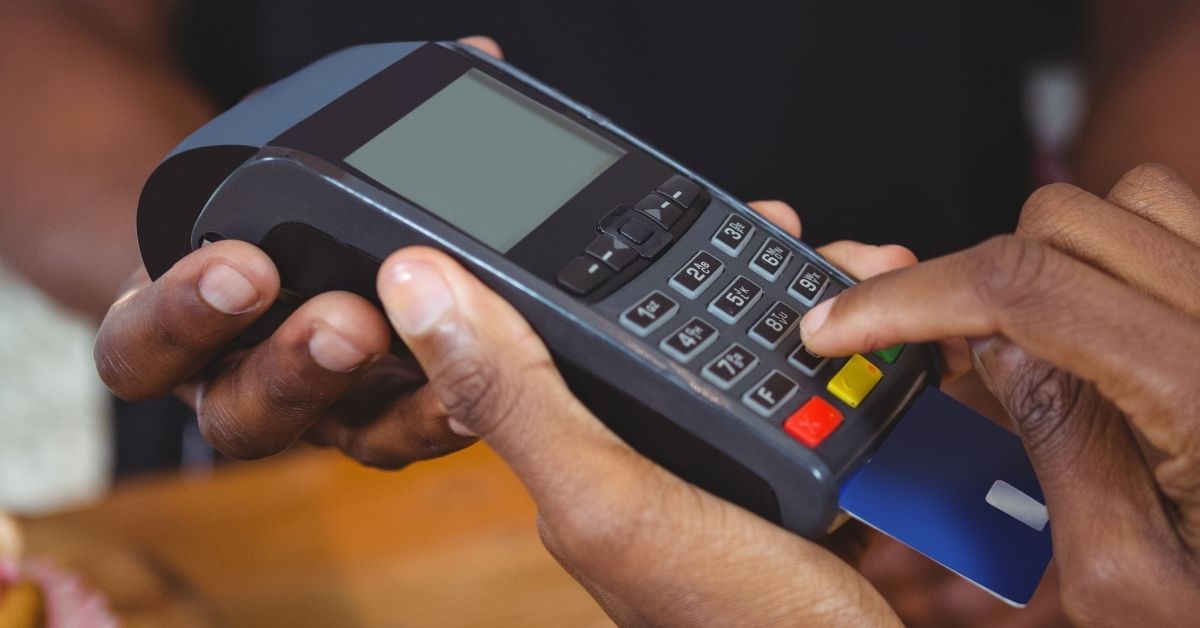

For years, the Point-of-Sale (POS) agent under the mango tree has been the bank branch that never had to be built.
A terminal, some cash and a familiar face have allowed Nigerians in villages and underserved communities to withdraw money, transfer funds and pay bills without travelling to the nearest town.
The importance of that network is still growing. Data reported by the Nigeria Inter-Bank Settlement System (NIBSS) showed that POS transactions reached ₦18.78 trillion in the first quarter of 2026, up 79.03% from ₦10.49 trillion a year earlier.
But record transaction growth does not necessarily mean every agent is thriving.
The economics of serving remote communities remain difficult. Agents must manage cash, connectivity, electricity and operating costs while relying on transaction commissions. Where customer traffic is low, even a busy day may not generate enough income to justify keeping a terminal fully funded.
That creates a different kind of financial-inclusion risk: not a collapse of POS banking, but the possibility that the network becomes thinner precisely where alternatives are hardest to find.
Nigeria still has a significant rural inclusion gap. EFInA’s 2023 Access to Financial Services survey found that 37% of rural Nigerians were financially excluded, compared with 17% of urban Nigerians.
For customers in those communities, a nearby agent can determine whether a financial transaction costs a few minutes or an entire afternoon.
An elderly customer who is uncomfortable with banking apps, a trader who needs physical cash or a resident without reliable internet access cannot simply be told to “use the app”. Digital banking expands access for millions, but it does not eliminate the need for physical touchpoints.
The Central Bank of Nigeria appears conscious of that distinction. Its revised agent-banking guidelines, issued in October 2025, were designed to strengthen the framework for providing financial services to underserved and remote areas. Implementation of agent-location and exclusivity provisions began on April 1, 2026.
The new rules also impose tighter requirements around agent accounts, locations, transaction limits and oversight. That may improve security and accountability, but it also means agents and their principals must adapt to a more structured operating environment.
The policy challenge is therefore becoming more nuanced.
Nigeria does not simply need more digital transactions. It needs a financial system in which the last customer in the last village can still access money at a reasonable cost.
That could require targeted incentives for agents in underserved areas, scheduled mobile banking services, better connectivity and products designed for customers who use basic phones rather than smartphones.
The country’s financial-inclusion gains are real. But they will only remain durable if the economics of the last mile work.
Otherwise, exclusion may return quietly, not through a bank branch closing its doors, but through a familiar POS kiosk disappearing from beneath the mango tree.