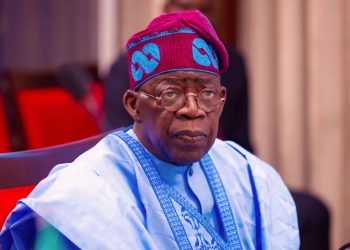
President Bola Tinubu has approved the establishment of a Presidential Petroleum Reform and Value Optimisation Taskforce to design and sequence the next phase of structural reforms in Nigeria’s petroleum sector.
The decision comes shortly after the President signed Executive Order 9, which deepened ongoing reforms in the sector by withdrawing certain fund-retention powers previously held by the Nigerian National Petroleum Company Limited and redirecting the funds to government coffers.
In a statement issued on Friday, presidential spokesman Bayo Onanuga said the new taskforce is intended to accelerate reform implementation, strengthen governance in the sector, optimise national energy assets and position Nigeria’s petroleum resources as a driver of long-term economic transformation.
According to the statement, the taskforce will function as a time-bound, high-level executive working group charged with producing execution-ready reform blueprints to consolidate ongoing changes, unlock capital and improve Nigeria’s attractiveness as a global energy investment destination.
Fola Adeola, co-founder of Guaranty Trust Bank and founder and chairman of Fate Foundation, was named chairman of the taskforce. He is expected to coordinate the group’s activities and ensure timely delivery of its mandate.
Other members include Ademola Adeyemi-Bero, Osagie Okunbor, Abubakar Suleiman, Adaeze Aguele, Farouk Gumel, Phillipa Osakwe-Okoye and Seyi Bella, while Mofoluwasho Fadayomi will serve as secretary.
The statement said the “Taskforce is a time-bound, high-level executive working group tasked with producing execution-ready reform blueprints that will consolidate ongoing reforms, unlock capital within the petroleum sector, and strengthen Nigeria’s position as a leading global energy investment destination.
“The initiative reflects the President’s commitment to transforming Nigeria’s petroleum industry into a more competitive, transparent, and value-maximising sector capable of driving long-term economic growth, macroeconomic resilience, and industrial development.”
It added that the body “will operate as a technical reform body rather than a representative committee, engaging industry operators, regulators, investors, and civil society as consultees while focusing on actionable policy design and implementation strategies.”
The taskforce will report directly to the President through monthly progress memoranda. It is expected to submit an interim report after three months and deliver its final outputs within six months of inauguration.
Tinubu has directed the taskforce to deliver three major reform blueprints, including an implementation toolkit for immediate structural fixes, a capital and liquidity acceleration plan aimed at unlocking between $5 billion and $10 billion in sectoral liquidity, and a 10-year national energy transformation strategy with measurable targets for production, foreign exchange earnings, GDP contribution and cost competitiveness.
The President also directed all ministries, departments, agencies, regulators and existing reform committees in the sector to align with the new taskforce. The body will dissolve automatically once its final report is submitted and accepted