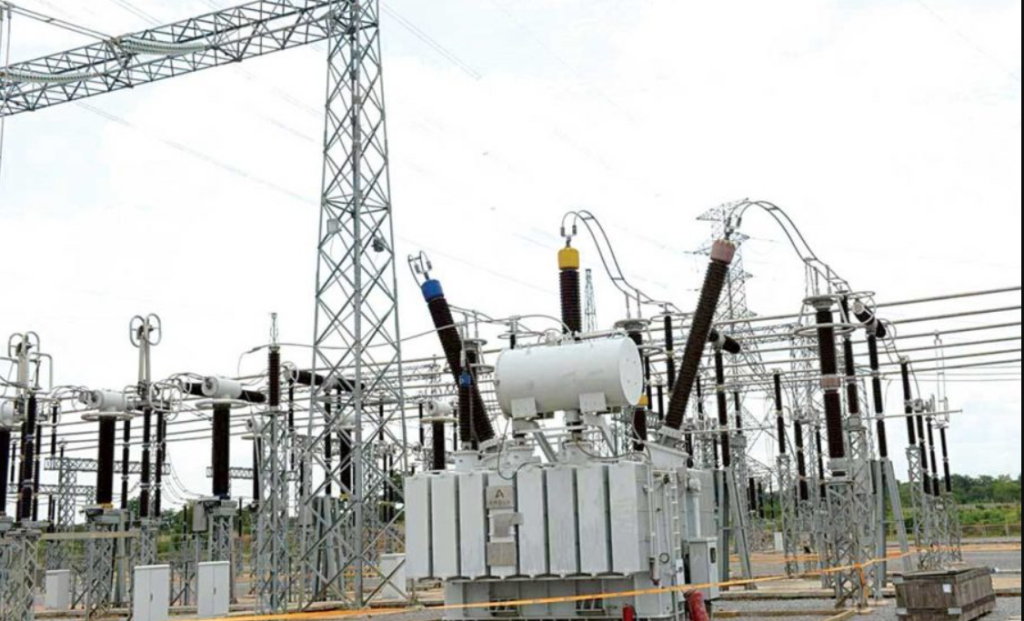

Electricity distribution companies have attributed the latest wave of blackouts across Nigeria to declining output from hydroelectric plants, pointing to a growing imbalance in the country’s already fragile power mix.
According to the DisCos, reduced water levels and operational constraints at key hydro stations have weakened generation capacity, worsening supply shortages nationwide. The companies stressed that the shortfall from hydropower has compounded existing pressures on the grid, particularly as thermal plants continue to struggle with fuel constraints.
They explained that “hydro plants are not generating enough power,” noting that the drop in output has significantly reduced the volume of electricity available for distribution. This decline has forced system operators to ration supply, leading to prolonged outages across homes and businesses.
Nigeria’s electricity system relies on a mix of thermal and hydro sources, but gas-fired plants dominate generation. Thermal facilities account for the bulk of supply, while hydropower contributes a smaller share, making the system vulnerable when either source underperforms.
In recent weeks, both segments have come under pressure. While hydro output has declined, thermal generation has also been constrained by inadequate gas supply and mounting sector debts. Industry data shows that overall generation has fallen to between 2,800 megawatts and 3,900 megawatts, far below national demand.
The DisCos said the combined effect has tightened electricity supply, leaving them with limited capacity to meet customer demand. In response, they have implemented load shedding across their networks, distributing the available power in cycles to manage shortages.
They further noted that the situation reflects deeper structural issues in the power sector. Hydropower stations depend heavily on water inflows, which fluctuate seasonally, while thermal plants rely on gas supply chains that have been disrupted by payment shortfalls and infrastructure challenges.
The companies warned that without improvements in generation, outages could persist. “The current situation on the grid is constrained,” they said, adding that available energy remains insufficient to guarantee stable supply.
Nigeria’s long standing electricity deficit continues to weigh on economic activity. The country generates far less power than required for its population, and supply disruptions are frequent due to weak infrastructure, fuel shortages, and operational inefficiencies.
Analysts say the latest development underscores the risks of overreliance on limited energy sources without adequate backup capacity. When hydro output drops and gas supply tightens simultaneously, the system lacks resilience, forcing widespread blackouts.
The DisCos urged coordinated action across the power value chain, including improved water management for hydro plants, better gas supply arrangements, and financial reforms to stabilise generation. Until then, electricity consumers are likely to continue facing intermittent supply and extended outages.