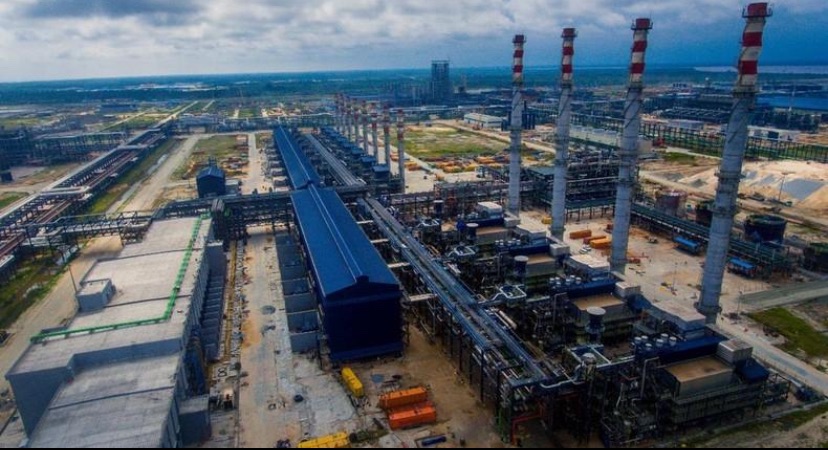

Nigeria is considering a new crude oil and gas swap arrangement that could reduce the cost of supplying local refineries and improve the availability of crude for domestic processing.
The Nigerian Upstream Petroleum Regulatory Commission (NUPRC) said it has started discussions with key players in the oil and gas industry on how the proposed arrangement would work.
The plan is designed to make better use of existing supply and transportation networks while helping producers meet their obligations to supply crude oil and gas to the domestic market.
NUPRC Chief Executive, Oritsemeyiwa Eyesan, disclosed this during a visit to the Nigerian Midstream and Downstream Petroleum Regulatory Authority (NMDPRA) in Abuja.
According to the commission, the proposed swap system would allow oil producers to meet domestic supply obligations without necessarily moving crude across long distances.
For example, a producer located close to an export terminal could supply crude on behalf of another producer whose obligation is closer to a Nigerian refinery. The companies would then settle the difference through an agreed swap arrangement.
The approach could reduce transportation expenses and make crude deliveries to refineries more efficient.
The proposal comes as Nigeria continues efforts to ensure that local refineries have enough feedstock to operate effectively. NUPRC data showed that domestic refineries received about 53.7 million barrels of crude between April and June 2026. This represented a 97.4 per cent performance under the Domestic Crude Supply Obligation during the second quarter.
Despite the improvement, some Nigerian refineries still import crude because of supply and pricing challenges.
Local refiners have also complained that Nigerian crude can sometimes be more expensive than imported alternatives. Such pricing concerns can raise production costs and make it harder for domestic refineries to compete.
The NMDPRA has acknowledged that pricing remains an important issue in domestic crude transactions. Its Chief Executive, Rabiu Abdullahi Umar, said the Petroleum Industry Act provides for willing-buyer, willing-seller transactions, but stressed that crude prices must remain commercially viable for refiners.
The proposed swap arrangement is therefore being considered as part of a wider effort to make domestic crude supply more reliable and affordable.
The NUPRC said discussions are still at an early stage and that detailed rules must be agreed upon before the scheme can begin.
The commission also plans to work more closely with the NMDPRA and other industry stakeholders to address challenges across the petroleum value chain.
With the Dangote Petroleum Refinery and other private refineries increasing their operations, the pressure on regulators to guarantee steady crude supplies is growing.
If successfully implemented, the crude swap system could reduce unnecessary transportation, lower supply costs and improve access to Nigerian crude for domestic refiners.
For Nigeria, the bigger objective is to ensure that rising refining capacity is matched by dependable local crude supply, helping the country reduce its reliance on imported petroleum products and strengthen its domestic energy industry.