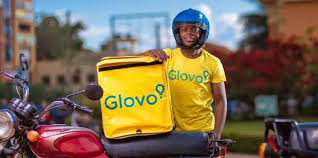

Glovo, the global on-demand delivery platform that entered Nigeria in 2021, has disclosed that the country emerged as its fastest-growing market in 2025, validating a long-term strategy of deepening investment in Africa’s most populous nation. At its Future of Commerce 2026 summit in Lagos, the company revealed that it has invested over ₦37 billion ($27 million) in Nigeria and delivered 38 million items over the past year, nearly doubling the value generated for businesses on its platform.
“We at Glovo are focused on empowering small and medium businesses with the tools, technology, and access they need to grow, scale, and compete effectively in a rapidly evolving digital economy,” said Reni Onafeko, Glovo Nigeria’s general manager. “By fostering collaboration across the public and private sectors, we are creating opportunities that drive sustainable growth and long-term impact.”
The growth places Nigeria at the centre of Glovo’s African strategy, where the company currently operates in five other markets, including Morocco, Tunisia, Kenya, Uganda, and Côte d’Ivoire. Since entering Africa in 2018, Glovo has invested over €250 million ($292 million) across the region, and Africa now accounts for 25 per cent of its global business. Nigeria’s online food delivery market surpassed $1 billion in 2025 and is projected to reach $2.7 billion by 2034, driven by rising smartphone penetration, increasing urbanisation, and shifting consumer preferences for convenience.
The space has seen intensified competition from local players like Chowdeck and HeyFood, alongside global platforms like Glovo, turning Nigeria into one of Africa’s most active on-demand economies. As global delivery platforms search for scale in emerging markets, Nigeria’s over 200 million population, 55.8 per cent urban density, and online penetration of 45.4 per cent make it capable of supporting on-demand commerce at scale. Being Glovo’s fastest-growing market suggests these factors are beginning to translate into sustained demand.
“Nigeria is a very exciting market,” said Dima Rasnovsky, Regional General Manager at Glovo Africa. “Nigeria has two things: population and momentum. There are a lot of good trends. It’s like a wave here, and if we are part of the wave, it is exciting. The market is going forward, and it is great to be part of the journey.”
At the product level, Glovo is leaning on incremental improvements of its technology and service offerings to drive growth. Onafeko noted that product and technology changes accounted for 35 per cent of sales growth in merchants within the past year, reflecting how user experience tweaks are shaping demand. In March 2026, the company introduced a road safety feature for its riders in collaboration with the Federal Road Safety Corps, which provides the agency with real-time feedback on behaviours such as speeding and braking. Since its launch, the tool has seen 60 per cent adoption among riders, which the company says is part of its goal to improve efficiency and safety across its network.
At the summit, Glovo also mentioned plans to expand into more locations across Nigeria in 2026, targeting underserved areas where on-demand delivery services remain limited. The company’s continued investment in Nigeria reflects confidence in the country’s long-term digital economy potential, even as macroeconomic conditions remain challenging.