
EV Market Set for Rapid Expansion in Nigeria as Tim Motors Targets Local Assembly
Nigeria’s electric vehicle (EV) market is positioned for significant long-term growth, with industry players citing rising consumer interest, supportive government policies and expanding infrastructure as key drivers of adoption.
Leon Zhan, Chief Executive Officer of Tim Motors, the exclusive distributor of Geely Galaxy vehicles in Nigeria, said the country’s EV penetration remains in its infancy, creating substantial opportunities for manufacturers willing to invest in the market.
Speaking during a media briefing in Lagos, Zhan noted that electric vehicles currently account for only about one to two percent of vehicles on Nigerian roads, compared with roughly 70 percent in China. The gap, he said, illustrates the scale of the opportunity as consumers increasingly seek alternatives to conventional petrol-powered vehicles.
“If you look at the trend, you see the potential for growth in Nigeria,” Zhan said, adding that increasing awareness, improving technology and rising fuel costs are expected to accelerate demand over the coming years.
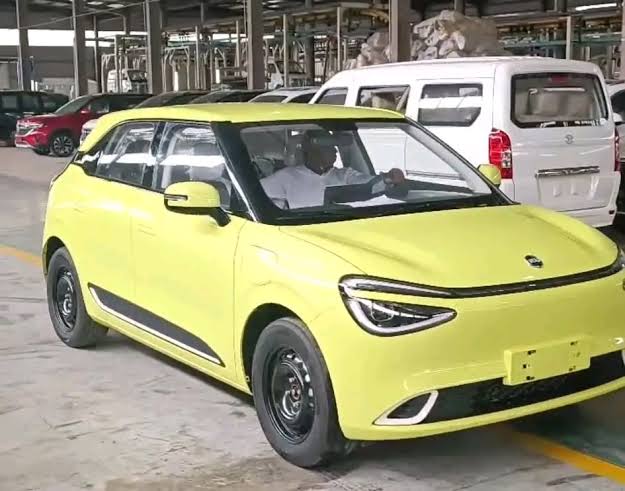
To strengthen its position in the emerging market, Tim Motors recently introduced three Geely Galaxy models to Nigerian consumers: the EX5 EM-i plug-in hybrid, the fully electric EX5 SUV and the compact EX2. The diversified product lineup is designed to appeal to different customer segments, ranging from urban commuters to family and commercial users.
The company projects sales of approximately 300 vehicles this year and expects annual deliveries to increase to between 2,000 and 3,000 units within the next three years. Zhan disclosed that Tim Motors has already secured government approval for local vehicle assembly and intends to commence manufacturing in Nigeria once sales volumes reach commercially sustainable levels.
Local assembly would not only reduce import dependence but could also lower vehicle costs, create skilled jobs and strengthen Nigeria’s automotive value chain.
Recognising that charging and maintenance infrastructure remain among the biggest barriers to EV adoption, Tim Motors is expanding its after-sales network across major cities, including Abuja, Kano and Port Harcourt. The company has also partnered with 10 service providers to ensure customers can access maintenance support within a five-kilometre radius.
The company’s expansion strategy aligns with Nigeria’s broader clean mobility agenda. The Electric Vehicle Transition and Green Mobility Bill, which passed its second reading in the Senate in November 2025, seeks to establish a regulatory framework for EV adoption, encourage investment and accelerate the country’s transition to cleaner transportation.
Industry executives say customer inquiries for electric vehicles more than doubled in 2025, largely driven by higher fuel prices and growing awareness of the long-term cost savings associated with electric mobility. As infrastructure improves and policy support strengthens, analysts expect Nigeria’s EV market to transition from a niche segment into a meaningful component of the country’s automotive industry.