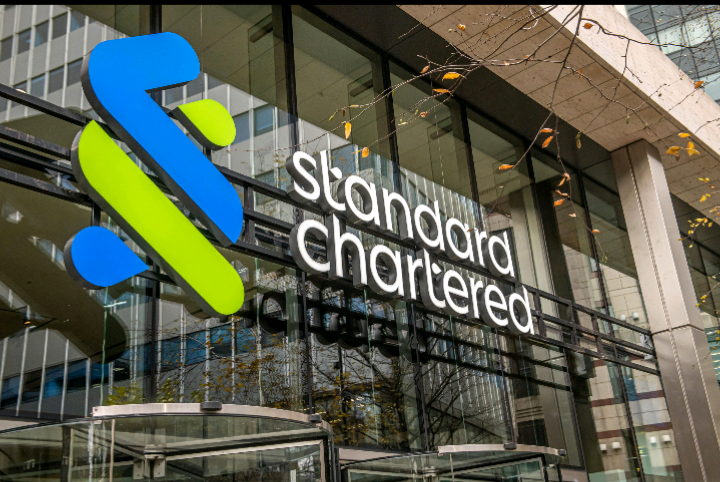

Standard Chartered Bank Nigeria has taken an important step forward in its long-term involvement in the Nigerian financial market by confirming that it has met the Central Bank of Nigeria’s (CBN) ₦200 billion minimum capital requirement for national commercial banks well before the regulatory deadline.
This milestone reflects the bank’s strong financial health and disciplined management practices. By boosting its capital base ahead of time, Standard Chartered sends a clear signal that it is committed to Nigeria not just in words but in concrete financial terms. The early compliance highlights the institution’s readiness to operate confidently in a market that is undergoing regulatory transformation and continuing to build resilience.
Meeting the recapitalisation requirement in November 2025, months earlier than the official March 2026 cutoff, shows the bank’s proactive approach to navigating regulatory expectations and strengthening its operations. Under the new CBN guidelines, national commercial banks must increase their paid-up capital to ₦200 billion to ensure greater solidity, improved capacity to absorb economic shocks, and an enhanced ability to support large-scale lending and investment across key sectors of the economy.
Achieving this compliance so early underscores Standard Chartered’s confidence in Nigeria’s long-term prospects. It also affirms the bank’s belief that Nigeria remains an important and strategic market on the African continent, where it can grow both its client base and its contribution to economic development.
Standard Chartered has operated in Nigeria for over 26 years, leveraging its global experience and local expertise to provide tailored financial solutions to individuals, small businesses, and major corporate clients. Through this engagement, the bank seeks to deepen support for sectors that drive national productivity, including manufacturing, trade, infrastructure, and services that are critical to economic expansion.
The bank’s Chief Executive Officer in Nigeria, Dalu Ajene, described the achievement as a reflection of “unwavering confidence in the resilience and potential of the Nigerian economy.” He emphasized that the early recapitalisation further “reaffirms Standard Chartered’s enduring partnership with Nigeria” and reinforces the institution’s commitment to sustainable growth, client support, and a role in the country’s ongoing financial transformation.
Standard Chartered’s strategy in Nigeria aligns with its global mission to support economic development by providing capital, liquidity, and strategic financial products. The bank’s expanded capital base positions it to underwrite larger transactions, support cross-border trade, and offer enhanced services to customers who are contributing to growth across diverse industries.
From a regulatory standpoint, the CBN’s recapitalisation initiative aims to build stronger, more resilient banks capable of meeting rising demand for credit and financing across Nigeria’s economy. By raising the capital threshold, the central bank intends to ensure that financial institutions are better equipped to absorb economic shocks, maintain solvency, and provide sustained lending support to key sectors.
Stronger banks like Standard Chartered improve economic stability by enhancing credit availability, which fuels business investment and consumer spending. Greater banking sector resilience attracts foreign capital, supports Nigeria’s aim of a $1 trillion economy, and improves confidence in financial markets, contributing to broader growth and job creation.
Standard Chartered’s recapitalisation ahead of schedule also positions it well amid industry-wide efforts to meet the CBN’s strengthened capital requirements. According to recent data, multiple banks have achieved recapitalisation targets as part of the sector’s broader push toward greater financial soundness.
This achievement can help reinforce investor confidence, support lending to key sectors, and contribute to the resilience of Nigeria’s financial system. It also reflects a broader trend of enhanced compliance and strategic repositioning among banks operating in an increasingly regulated environment.