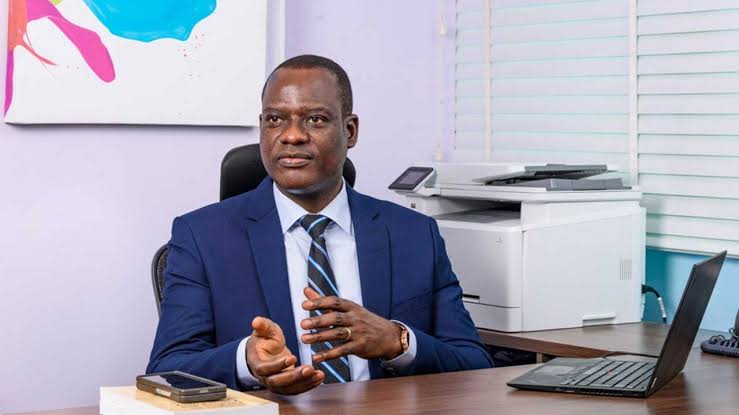

Nigeria’s economy is showing growing resilience against global economic headwinds following a series of reforms across fiscal policy, foreign exchange management, and the banking sector, according to Finance Minister Taiwo Oyedele.
Speaking on the country’s economic trajectory, Oyedele pointed to the International Monetary Fund’s (IMF) 2026 assessment, which highlighted signs of improving macroeconomic stability and stronger economic fundamentals. The minister said recent policy measures have helped Nigeria better withstand external shocks, including elevated energy costs, persistent food inflation, and volatility in global commodity markets.
The reforms form part of a broader strategy aimed at correcting long-standing structural imbalances in Africa’s largest economy. Fiscal policy adjustments have focused on improving government revenue collection, reducing leakages, and strengthening public finances. At the same time, foreign exchange reforms have sought to improve transparency in the currency market, attract investment flows, and narrow distortions that previously undermined investor confidence.
According to Oyedele, these policy interventions are beginning to deliver measurable results. He noted that improved coordination between fiscal and monetary authorities has enhanced economic stability, while reforms in the financial sector have strengthened the banking system’s capacity to absorb external pressures.
The IMF’s latest assessment comes at a critical period for Nigeria, as policymakers seek to balance economic growth with inflation control and fiscal sustainability. While many emerging markets continue to grapple with the effects of higher global interest rates and geopolitical uncertainty, Nigeria’s reform agenda has positioned the country to navigate a challenging international environment more effectively.
Analysts say the strengthening of the banking sector is particularly significant. Nigerian lenders have remained relatively stable despite currency adjustments and inflationary pressures, providing a foundation for continued credit expansion and private-sector activity. A resilient banking system is widely viewed as essential for supporting investment, job creation, and long-term economic growth.
However, economists caution that sustaining momentum will require consistent implementation of reforms and continued efforts to address infrastructure deficits, unemployment, and productivity challenges. They also note that translating macroeconomic gains into improved living standards remains a key test for policymakers.
For investors, the IMF’s positive assessment may signal improving confidence in Nigeria’s economic direction. Increased policy credibility, coupled with reforms designed to attract foreign capital, could enhance the country’s appeal as a destination for investment in sectors ranging from manufacturing and agriculture to technology and financial services.
As global economic conditions remain uncertain, Nigeria’s ability to maintain reform momentum and strengthen economic resilience will be closely watched by investors, multilateral institutions, and domestic stakeholders alike.