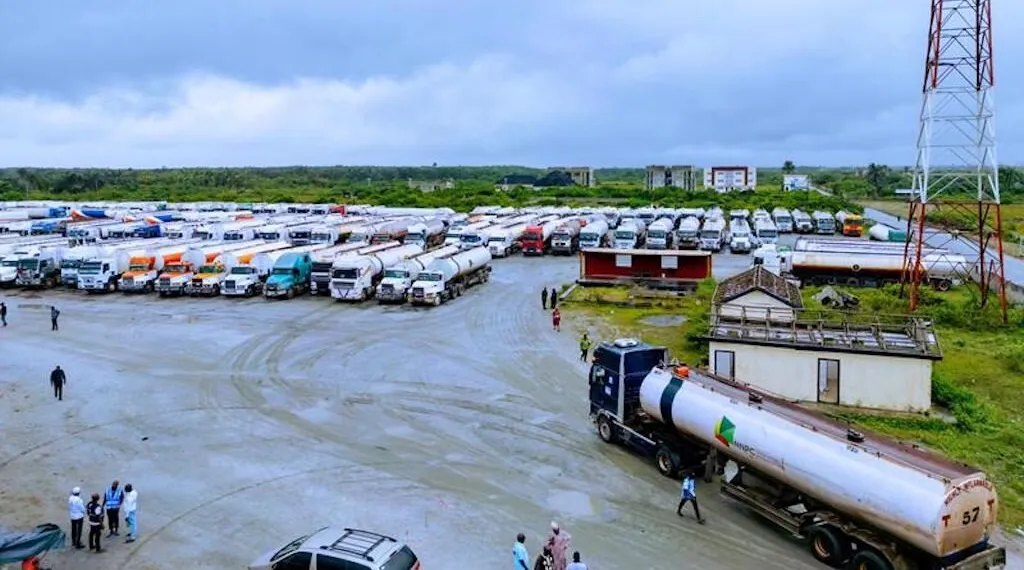

Nigeria has become a net exporter of petrol for the first time in decades, as the Dangote Refinery shipped approximately 44,000 barrels per day of refined products to international markets, marking a historic shift in the country’s energy trade balance. The development ends Nigeria’s long-standing dependence on imported refined petroleum products, a structural vulnerability that has drained foreign exchange reserves and exposed consumers to volatile global fuel prices.
The refinery, located in Ibeju Lekki, processes about 650,000 barrels per day and is gradually ramping up to full capacity. The export of 44,000 bpd represents an initial foray into international markets, with cargoes reportedly destined for customers in West Africa and Europe. Industry analysts expect export volumes to increase as the refinery achieves greater operational stability and expands its product slate.
For Nigeria’s balance of payments, becoming a net petrol exporter is transformative. The country has historically spent billions of dollars annually on fuel imports, contributing to persistent current account deficits and pressure on the naira. Domestic refining also reduces the need for crude oil swap arrangements and improves energy security by ensuring local supply even during global disruptions. The Dangote Refinery’s success will now depend on sustaining production levels, accessing export markets, and managing competition from established refining centres in Europe and the Middle East.