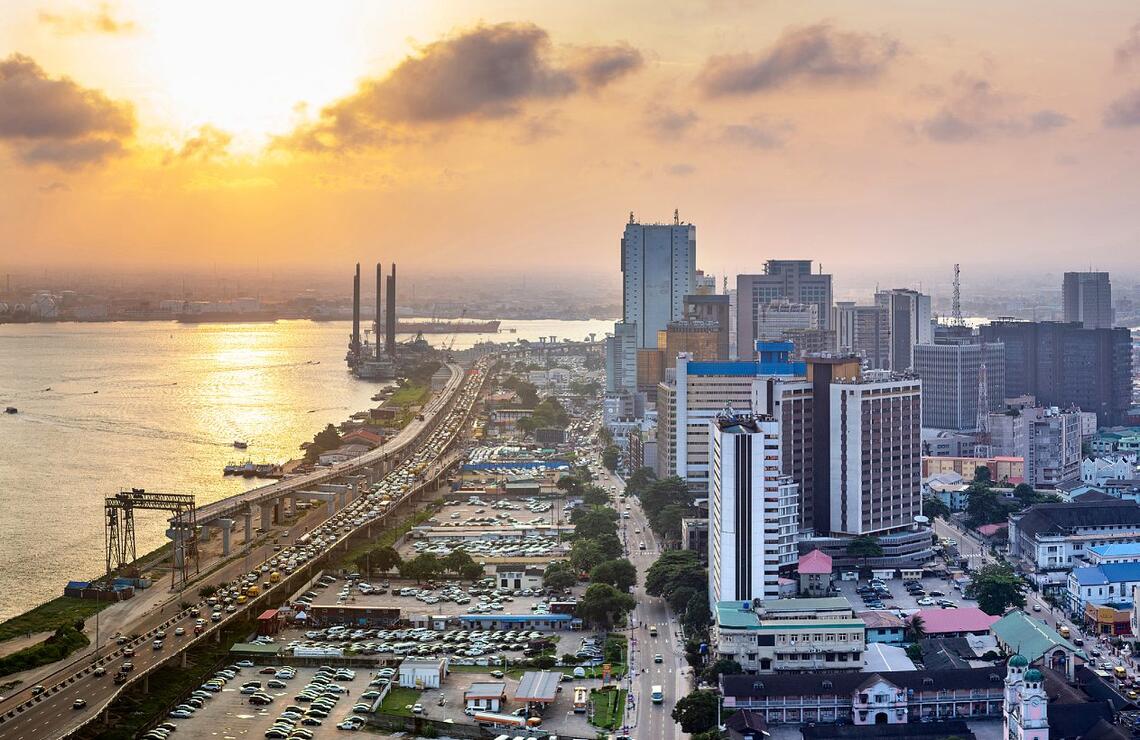

Lagos State generated approximately N80 billion in revenue from building approvals, underscoring the scale of construction activity across Nigeria’s commercial capital and highlighting the growing importance of urban development as a source of government income.
The figure reflects the increasing pace of residential, commercial, and mixed-use property developments across the state, driven by rapid population growth, expanding business activity, and sustained demand for housing and infrastructure. As Nigeria’s economic hub, Lagos continues to attract significant investment into real estate, despite challenging macroeconomic conditions marked by inflation, high construction costs, and elevated interest rates.
Building approval fees are paid by developers and property owners seeking regulatory clearance before commencing construction projects. The process helps ensure compliance with planning regulations, safety standards, environmental requirements, and broader urban development objectives.
The N80 billion generated from approvals signals both the resilience of Lagos’ property market and the state’s ability to broaden internally generated revenue sources beyond traditional taxes and levies. Analysts say the performance reflects the government’s ongoing efforts to strengthen development control mechanisms while encouraging formal sector participation within the construction industry.
The revenue also provides insight into the scale of capital being deployed into Lagos’ real estate sector. Industry experts note that approval fees typically represent only a fraction of total project costs, suggesting that underlying investment in new developments could run into several trillions of naira.
Urban planners argue that effective building regulation is increasingly critical as Lagos confronts mounting pressure from population expansion. The state is projected to remain one of Africa’s fastest-growing metropolitan areas, creating heightened demand for housing, transportation networks, commercial facilities, and public infrastructure.
The growth in approvals comes as authorities seek to reduce incidences of unregulated construction and improve compliance with building standards. Stronger oversight has gained prominence following concerns over structural failures and building collapses in parts of the state in recent years.
For investors, the latest revenue figures reinforce Lagos’ position as Nigeria’s most active real estate market. Demand for residential estates, office developments, retail centres, logistics facilities, and industrial parks continues to attract both local and international capital despite broader economic uncertainties.
Looking ahead, industry stakeholders expect building approvals to remain a key indicator of construction sector health and future economic activity. Sustained growth in approvals could signal continued confidence among developers, support job creation across the building value chain, and contribute to Lagos’ long-term urban transformation agenda.