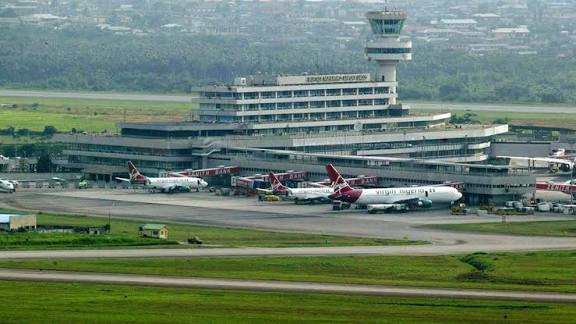

Nigeria’s aviation sector has recorded a notable surge in domestic seat capacity, positioning it among the fastest-growing markets in Africa on the supply side. Industry estimates for mid-2026 indicate double-digit year-on-year expansion in available domestic seats, reflecting aggressive route development and frequency increases by local carriers amid intensifying competition.
However, the expansion in capacity has not been matched by equivalent demand growth. Domestic passenger volumes have remained broadly flat in recent years, with some estimates suggesting a mild decline since the post-pandemic rebound period. As a result, load factors on several high-frequency routes are reported by industry operators to have hovered near or below the 50% level on certain sectors—well beneath the 75–80% range typically associated with sustainable airline profitability.
The divergence between rising capacity and stagnant demand underscores a structural imbalance in Nigeria’s domestic aviation market. Much of the recent growth has been driven by airlines expanding route networks, increasing frequencies on core business corridors such as Lagos–Abuja and Lagos–Port Harcourt, and improving aircraft utilisation through more intensive scheduling rather than fleet expansion alone. Carriers such as Air Peace, Ibom Air, and other domestic operators have continued to compete aggressively on frequency and market share, particularly on trunk routes that anchor corporate and government travel demand.
On the cost side, profitability pressures remain severe. Aviation turbine fuel continues to account for an estimated 40–50% of airline operating costs in Nigeria, according to industry benchmarks, while foreign exchange exposure remains structurally high given that a significant share of leases, maintenance, and spare parts are dollar-denominated. Currency volatility has therefore amplified margin pressure, limiting the extent to which airlines can translate higher capacity into stronger earnings.
Infrastructure constraints further complicate the operating environment. Despite ongoing rehabilitation and expansion works at major hubs including Lagos and Abuja airports, bottlenecks in terminal capacity, runway efficiency, and ground handling services continue to constrain operational performance during peak periods. These limitations contribute to delays, higher turnaround times, and additional cost pressures for carriers.
Looking ahead, sustaining the current pace of capacity growth will depend on improved access to foreign exchange liquidity, more stable input costs, particularly fuel and continued investment in airport infrastructure. Without these supporting conditions, there is a risk that capacity expansion could outpace the market’s ability to absorb it profitably.
Nonetheless, Nigeria’s domestic aviation market remains a key indicator of regional airline ambition and competitiveness. The current cycle reflects a supply-driven expansion phase: airlines are prioritising market positioning and network depth, even as demand growth remains subdued. Whether this evolves into a more balanced and profitable trajectory will depend on broader macroeconomic stability and a meaningful recovery in passenger demand.