
The Nigerian Institute of Electrical and Electronic Engineers (NIEEE) has called on its newly inducted Fellows to play a leading role in transforming Nigeria’s power sector, promoting professional standards, and mentoring young engineers to help solve the country’s growing energy challenges.
The charge was given during the institute’s 21st Fellowship Conferment Ceremony held in Abuja, where industry leaders emphasized the need for experienced professionals to contribute more actively to national development, especially in the electricity sector.
Speaking at the event, NIEEE President, Felix Adesola Adegboye, described the Fellowship award as the highest recognition offered by the institute. He explained that it is reserved for members who have demonstrated exceptional competence, dedication, integrity, and service to the engineering profession.
According to Adegboye, recent developments in Nigeria’s electricity sector, particularly the implementation of the Electricity Act, have created new opportunities and responsibilities for engineering professionals. He noted that the law allows states to participate more actively in electricity generation, transmission, and distribution, making the expertise of engineers more important than ever.
He stressed that engineers must now take responsibility for providing practical solutions to Nigeria’s power challenges. Adegboye expressed concern that despite the country’s abundance of skilled professionals, issues such as grid instability and dependence on foreign technology continue to affect the sector.
He encouraged the newly inducted Fellows to use their knowledge and experience across critical areas including power systems, renewable energy, information and communication technology, electronics, computing, instrumentation, avionics, space technology, and other emerging fields.
The NIEEE president identified energy transition, professional regulation, and mentorship as key priorities that require immediate attention. He urged Fellows to support both government and private sector efforts aimed at accelerating the adoption of cleaner energy sources and improving electricity access across the country.
Adegboye also called for stronger action against professional quackery, noting that the Chartered Institute of Electrical and Electronic Engineering of Nigeria (CIEEEN) Act provides a legal framework for improving standards and regulating professional practice.
In addition, he encouraged Fellows to mentor younger engineers and help bridge the gap between classroom learning and industry requirements. According to him, innovation and research will play a major role in building a stronger engineering sector capable of meeting future challenges.
Chairman of the NIEEE Board of Fellows, Dr. Isaac Adekanye, also highlighted the significance of the Fellowship award. He stated that recipients were carefully screened before being elevated to the prestigious rank and urged them to use their expertise to address challenges facing the power, telecommunications, and technology sectors.
Meanwhile, legal practitioner and electricity market expert, Prince Adetunji Adeyeye, offered a different perspective on Nigeria’s long-standing electricity problems. During a lecture on building a resilient power sector, he argued that the country’s power crisis is largely the result of policy, regulatory, and institutional weaknesses rather than a lack of technical knowledge.
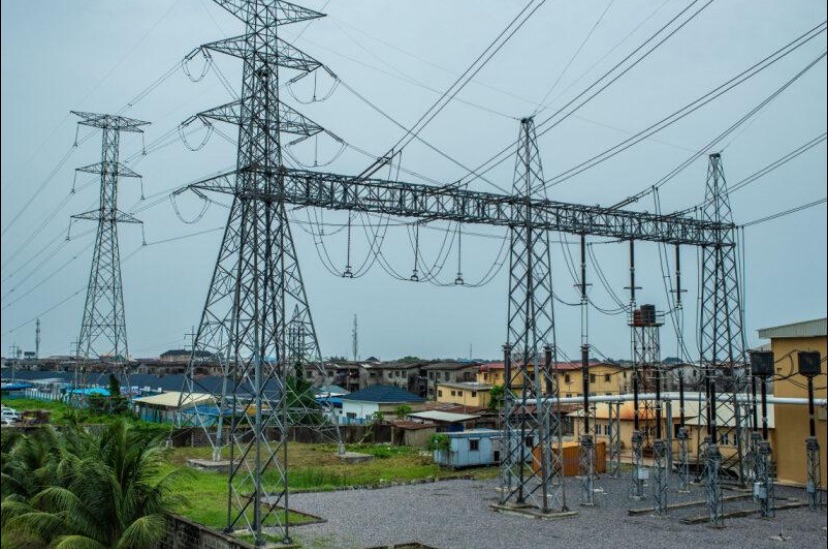
According to Adeyeye, Nigeria already has more electricity generation capacity than it is able to effectively distribute due to transmission limitations and insufficient infrastructure investment.
He noted that inconsistent regulations, poor contract enforcement, and electricity tariffs that fail to reflect actual costs have discouraged investment in the sector over the years. While the 2013 power sector privatisation introduced major changes, he said important issues such as payment reliability and tariff stability were not adequately addressed.
Adeyeye maintained that Nigeria does not need another privatisation exercise but rather a commitment to fully implementing existing reforms. He described technical strength, commercial sustainability, regulatory stability, and institutional efficiency as the four pillars required to build a stronger electricity industry.
He also praised the Electricity Act 2023, describing it as a major step forward that allows states to establish their own electricity markets and attract private-sector investment.
According to him, Nigeria already possesses the technical talent needed to build a world-class power sector. What remains necessary is a collective commitment from government agencies, regulators, investors, operators, and professionals to consistently implement reforms and sustain them over time.
Industry stakeholders at the event agreed that with stronger policies, professional leadership, and sustained investment, Nigeria can overcome its electricity challenges and unlock the full potential of its energy sector.