
Nigeria’s perennially troubled power sector is witnessing a significant shift as the Federal Government begins clearing massive debt arrears owed to Generation Companies (GenCos). This development, highlighted by the Sahara Group, signals a potential end to the liquidity crisis that has long crippled the nation’s electricity value chain. For decades, the sector has been trapped in a cycle of “inter-agency” debt, where the inability of Distribution Companies (DisCos) to collect sufficient revenue led to a shortfall in payments to GenCos, who in turn struggled to pay gas suppliers.
Speaking on the impact of this fiscal intervention, Kola Adesina, Group Managing Director of Sahara Group—a major player in the energy sector through Egbin Power—noted that the government’s commitment to settling these outstanding liabilities is a “game changer.” The arrears, which had accumulated into trillions of naira over several years, acted as a major deterrent to private investment and operational expansion. By addressing these legacy debts, the government is effectively “turning the page” on a dark chapter of financial instability that threatened the total collapse of the national grid.
The liquidity injection is part of a broader reform strategy aimed at ensuring the commercial viability of the Nigerian Electricity Supply Industry (NESI). One of the primary beneficiaries is the GenCo sub-sector, which has often operated at a fraction of its installed capacity due to lack of funds for equipment maintenance and gas purchases. With the clearance of these arrears, power firms are now better positioned to invest in infrastructure upgrades, leading to improved stability and a potential increase in the daily megawatt output delivered to the grid.
Adesina emphasized that the settlement of debt provides a much-needed psychological and financial boost to the sector. “It restores confidence among investors and lenders,” he noted, adding that a debt-free balance sheet allows power firms to access international credit facilities at more favorable rates. This is crucial for the long-term goal of industrializing Nigeria, as a stable power supply remains the most critical missing link in the country’s economic growth trajectory.
Furthermore, the government’s move coincides with more stringent regulatory oversight by the Nigerian Electricity Regulatory Commission (NERC). The commission has introduced a more transparent payment discipline mechanism, ensuring that as the government clears the old debt, new ones do not accumulate at the same unsustainable rate. This includes a push toward full cost-reflective tariffs, which would allow DisCos to recover their costs and maintain the flow of cash back to the generators and gas producers without perpetual government bailouts.
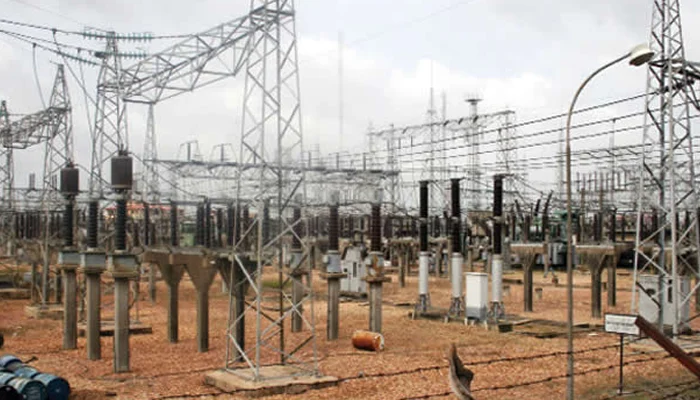
However, challenges remain. While clearing the debt is a vital first step, the sector still battles with aging transmission infrastructure and high levels of technical and commercial losses. Industry experts argue that for this “new page” to truly transform the lives of Nigerians, the government must follow up its fiscal intervention with aggressive investment in the national grid’s wheeling capacity. The Sahara Group’s optimistic outlook suggests that if the current momentum is sustained, the era of constant blackouts and energy poverty could finally be nearing its end.
Ultimately, the successful resolution of these debt arrears represents a rare moment of alignment between government policy and private sector needs. It sets a precedent for how the Nigerian state can de-risk critical sectors of the economy through consistent fiscal discipline and strategic partnership. As the power firms begin to stabilize their operations, the focus now shifts to the DisCos to improve collection efficiency and the transmission company to ensure that every megawatt generated actually reaches the homes and factories of Nigerians.