
Nigeria’s power regulator has introduced a new directive requiring owners of privately operated transmission substations connected to the national electricity grid to obtain regulatory approval within 45 days.
The order was issued by the Nigerian Electricity Regulatory Commission (NERC) as part of efforts to strengthen oversight of privately owned electricity infrastructure and improve the stability of the national grid. The directive, titled Order on the Registration and Authorisation of Grid Connected Private Transmission Substations (NERC/2026/013), took effect on March 9, 2026.
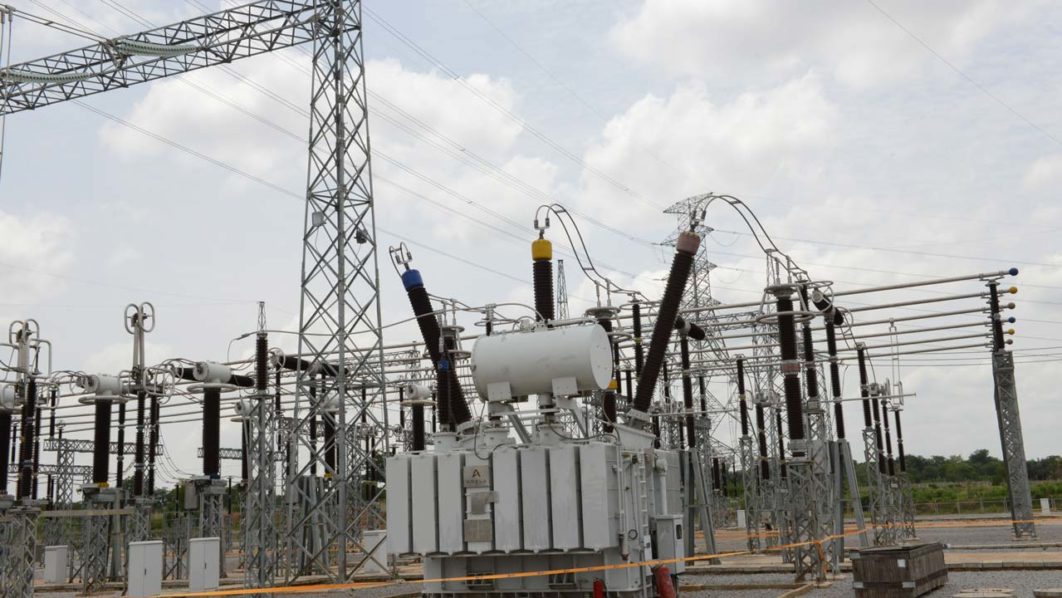
According to the regulator, the policy introduces a formal framework for monitoring privately owned transmission substations that supply power directly to large industrial or commercial electricity consumers. These facilities have grown in number as companies attempt to secure more stable electricity for operations.
Under the directive, operators of such substations must obtain an Independent Electricity Transmission Network Operator permit before operating or maintaining a connection to the national grid.
The regulator explained that the decision was partly triggered by operational concerns within the electricity network. The Nigerian power system has recorded repeated transmission disruptions linked to some privately managed facilities.
NERC stated that the new rule is designed to improve grid reliability, safety, and operational visibility across the electricity transmission network.
The commission said the order applies to both existing and future operators. Companies already running private substations must apply for the permit within 45 days of the directive. Failure to comply could expose operators to regulatory sanctions or disconnection from the grid.
For new projects, the rule is stricter. Any company planning to build or operate a private transmission substation must obtain regulatory approval before connecting the facility to the national electricity network.
The regulator also assigned implementation responsibilities to the Nigerian Independent System Operator (NISO), the body responsible for managing system operations within Nigeria’s power sector.
Under the new framework, NISO is required to compile a comprehensive list of all existing private transmission substation owners across the country. The system operator must then notify the operators of the new regulatory requirements within five days.
Beyond registration, the directive introduces additional operational obligations aimed at improving monitoring of electricity flows across the network. NISO will install Internet of Things enabled metering systems at interconnection points linking private substations to the national grid. These devices are expected to be deployed within 120 days.
The new monitoring structure will allow system operators to track electricity flows, detect operational faults earlier, and prevent disturbances that could destabilize the wider grid.
In addition, operators of private substations will now be required to submit monthly operational reports to regulators. NISO will also carry out periodic inspections to verify compliance with technical and safety standards.
NERC noted that the directive aligns with the national Grid Code governing electricity operations in Nigeria and is part of broader reforms to improve transparency and accountability in the country’s power sector. By tightening regulatory oversight of privately owned substations, the commission believes the policy will strengthen grid discipline and reduce operational risks across Nigeria’s electricity transmission system.