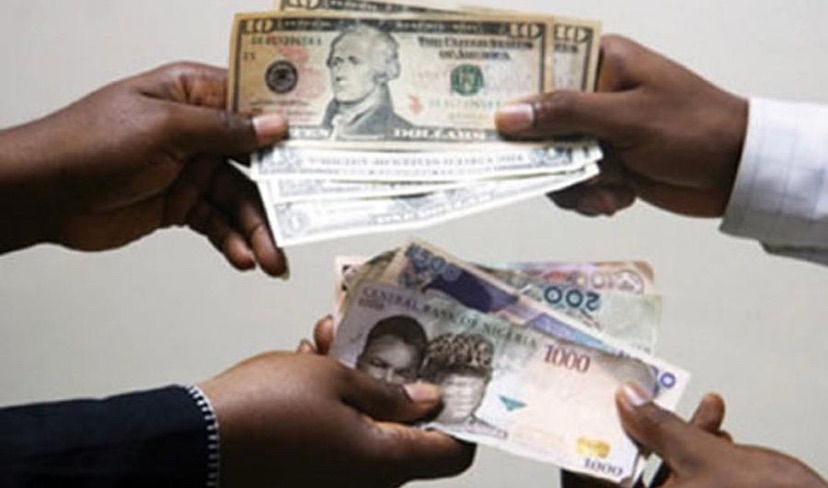

Nigeria’s currency, the naira, recorded a slight decline against the United States dollar at the official foreign exchange market on Friday as demand for foreign currency continued to exceed available supply.
According to data released by the Central Bank of Nigeria (CBN), the naira closed at N1,362.21 per dollar at the Nigerian Foreign Exchange Market (NFEM), compared to N1,358.75 per dollar recorded in the previous trading session. The latest figure reflects a modest depreciation of the local currency.
The decline comes at a time when activity in the official foreign exchange market has slowed significantly, indicating tighter liquidity conditions. Market data showed that the exchange rate traded between N1,360 and N1,366 per dollarduring Friday’s session, highlighting continued pressure on the naira as businesses and investors sought access to foreign currency.
Trading volume at the market also dropped sharply. A total of $73.57 million was exchanged across 90 deals during the session. This represented a substantial decline from the $128.17 million traded in the previous session, showing that fewer dollars were available in the market.
Financial analysts linked the naira’s weaker performance to reduced foreign currency inflows into the economy. In particular, they noted that participation by foreign portfolio investors in Nigeria’s financial markets has remained relatively low in recent weeks. This has limited the amount of foreign exchange entering the system and reduced support for the local currency.
Experts also pointed to the absence of recent Open Market Operations (OMO) auctions by the Central Bank. OMO auctions are often used to attract investor funds into naira-denominated assets. Without these auctions, investor interest in local financial instruments has been weaker, contributing to reduced demand for the naira and increasing pressure on the exchange rate.
Despite the slight setback in the foreign exchange market, there was positive news regarding Nigeria’s external reserves. The country’s gross external reserves continued to rise, supported by earnings from crude oil exports, diaspora remittances, and other foreign exchange inflows.
Recent figures show that Nigeria’s external reserves have now exceeded $50 billion, marking the highest level recorded since the implementation of the country’s foreign exchange reforms. The development is being viewed as a positive sign for the economy and a reflection of stronger foreign currency inflows.
Market analysts believe the growing reserve position provides a stronger financial buffer for the country and improves its ability to manage external economic pressures. They added that if current inflow trends continue and there are no major debt repayment obligations in the near future, the reserves could climb further and approach $51 billion before the end of June.
The increase in reserves is expected to strengthen investor confidence and improve the Central Bank’s ability to support exchange rate stability. While short-term pressures remain in the foreign exchange market, the strong reserve position offers hope that the naira could receive greater support in the months ahead as Nigeria continues efforts to stabilize its economy and attract more foreign investment.