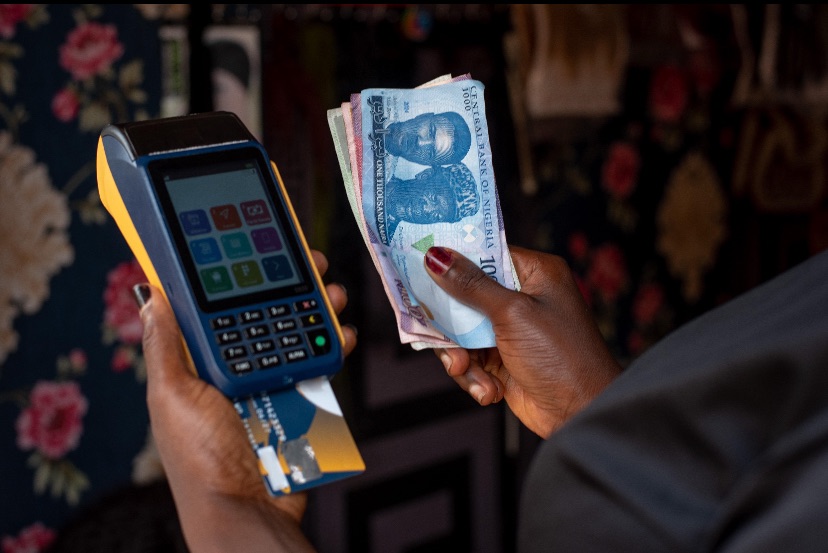

Businesses across Nigeria are adjusting their pricing strategies as changes in the naira exchange rate continue to affect the cost of goods, services and imported materials.
For many companies, especially those that depend on imported products or foreign currency payments, exchange rate movements have become an important factor when deciding how much customers should pay.
When the naira weakens against major currencies such as the US dollar, the cost of importing raw materials, machinery, equipment and finished goods usually increases. Businesses often respond by reviewing their prices to protect profit margins and remain financially stable.
However, companies are increasingly taking a more careful approach to pricing. Rather than making frequent and large price increases, some businesses are monitoring the foreign exchange market more closely and adjusting prices based on their actual costs.
Some businesses have moved away from keeping prices unchanged for long periods. Instead, they are reviewing prices regularly to reflect changes in operating expenses and currency movements.
Import-dependent businesses are particularly exposed because they may need dollars to pay overseas suppliers. A change in the exchange rate can therefore increase the naira value of the same dollar-denominated purchase.
For example, a company that previously budgeted a certain amount of naira to import equipment may find that the same equipment costs significantly more after the naira loses value.
This can force businesses to either increase their selling prices, reduce their profit margins or search for cheaper suppliers.
The changes in business pricing are also affecting consumers.
When companies increase prices to cover higher costs, customers may respond by buying smaller quantities, switching to cheaper alternatives or delaying purchases.
This has created a difficult balance for businesses. While higher prices can protect margins, excessive increases could push customers toward competitors.
As a result, some businesses are introducing different product sizes, discounts, promotional offers and lower-cost alternatives to retain customers.
The changing exchange rate is also encouraging some businesses to explore local suppliers.
Companies that can source raw materials, packaging and other inputs locally may reduce their exposure to foreign exchange volatility. This could create new opportunities for Nigerian manufacturers and suppliers.
However, local sourcing remains challenging in some industries because of infrastructure costs, limited production capacity and the availability of specialised materials.
For many companies, pricing decisions are no longer based only on competition. They are also closely connected to cash flow, supply costs, foreign exchange movements and the purchasing power of customers.
Small businesses may face greater pressure because they often have limited access to capital and may not have enough financial capacity to absorb rising costs.
Analysts and business owners therefore expect pricing strategies to remain flexible as companies respond to movements in the naira and broader economic conditions.
Ultimately, the exchange rate is becoming a major part of everyday business planning in Nigeria. Companies that can accurately track costs, manage cash flow and understand customer demand may be better positioned to survive periods of currency volatility while keeping their products affordable enough to remain competitive.