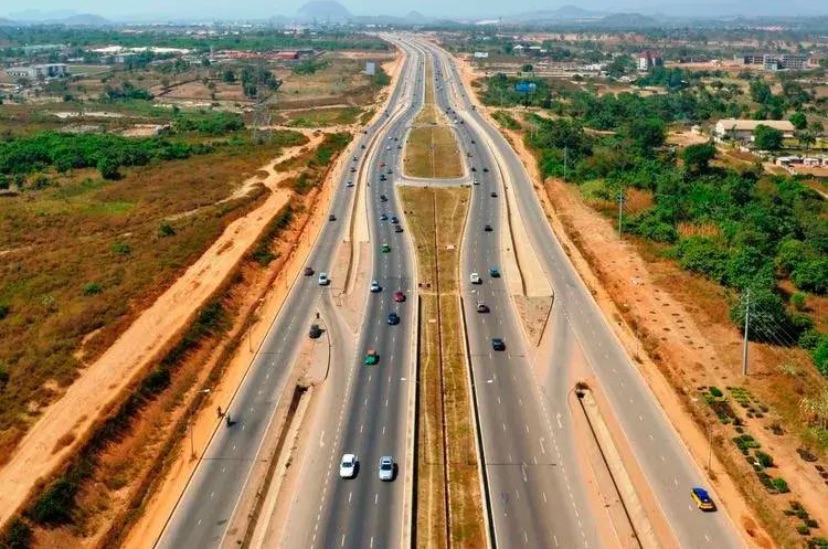

The Federal Government’s decision to approve more than N4 trillion for major road construction projects across Nigeria has been described as a major step toward improving the country’s economy and creating thousands of jobs.
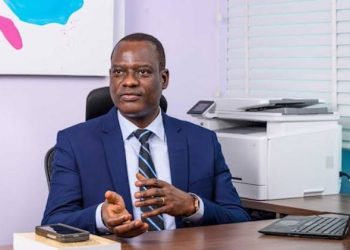
Chairman of the Association of Capital Market and Valuers (ACMV), Chudi Ubosi, said the investment in road infrastructure would stimulate economic growth, increase employment opportunities and improve the standard of living for many Nigerians, especially in the Southwest.
The approved projects do not include the Lagos-Calabar Coastal Highway, the Sokoto-Badagry Super Highway or several ongoing road rehabilitation projects across the country.
According to Ubosi, investing in infrastructure remains one of the best ways for governments to grow the economy because it creates business opportunities in many sectors.
He explained that road construction benefits manufacturers, suppliers, contractors, engineers, artisans and transport operators. As construction companies purchase cement, steel, gravel and other building materials, manufacturers increase production while suppliers make more sales. Skilled workers and professionals also earn income, allowing money to circulate throughout the economy.
Ubosi noted that many people who benefit from these projects often invest their earnings in housing, transportation, agriculture and small businesses, creating even more economic activities.
He added that infrastructure spending is more sustainable than direct cash payments because it creates jobs while also providing long-lasting public assets that improve productivity.
Beyond job creation, Ubosi said better roads would make life easier for Nigerians by reducing travel time and easing traffic congestion.
Using the Lekki-Epe corridor as an example, he said improved roads have significantly reduced commuting time, allowing residents to spend more hours on productive activities instead of sitting in traffic. Shorter journeys also reduce stress and other health problems linked to long hours on the road.
He also said improved roads could encourage more people to live in affordable communities while maintaining easy access to workplaces and business centres.
Speaking on the proposed Badagry-Sokoto Highway, Ubosi described it as a project capable of transforming the country’s economy. He said the highway would create new business corridors, attract industries and encourage the growth of new towns along its route.
According to him, the project would reduce transportation costs, improve the movement of goods and make businesses more competitive. Lower transport expenses could also help reduce the prices of goods and services for consumers.
While acknowledging that infrastructure projects take time before their full benefits are felt, he expressed confidence that continuous investment would deliver lasting economic gains.
Ubosi also addressed the issue of high agency and commission fees charged by some real estate agents. He said the major cause is Nigeria’s large housing deficit, which has made available homes scarce.
He explained that high construction costs, expensive land, limited access to affordable loans and challenges with land documentation have slowed housing development across the country.
As a result, strong demand for limited housing has allowed some agents to impose excessive charges on tenants because they know other people are willing to pay.
Ubosi called on the government to introduce policies that encourage more housing development, reduce obstacles facing property developers and improve access to affordable financing. He said increasing the supply of homes would help lower housing costs and reduce exploitative charges in the real estate market.