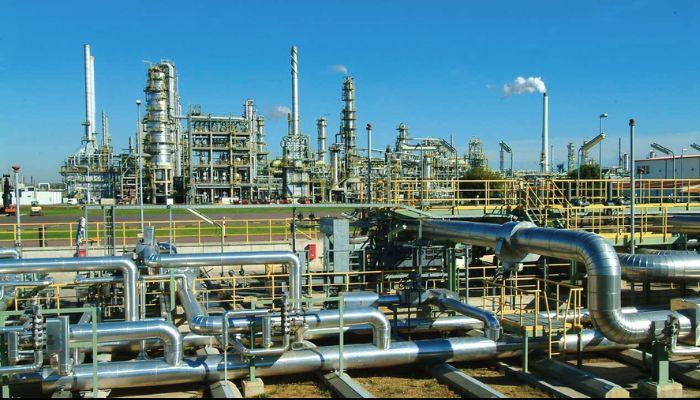

The Crude Oil Refinery-owners Association of Nigeria (CORAN) has said modular refineries in the country can supply more than 10 per cent of Nigeria’s diesel requirements but are being constrained by inadequate crude oil feedstock.
CORAN’s Publicity Secretary, Eche Idoko, disclosed this in an interview while responding to data released by the Nigerian Midstream and Downstream Petroleum Regulatory Authority (NMDPRA). The regulator’s report indicated that modular refineries accounted for about two per cent of national diesel consumption over a three-month period.
Although he acknowledged the contribution reflected in the report, Idoko questioned the figure and attributed the low output to limited crude supply.
“Any percentage at this moment is very, very important. When they said two per cent, I would contend with that figure. Our capacity is more than two per cent. We have the capacity to produce up to 10 per cent of our current diesel need, or 15 per cent, if we have enough crude supply. As I mentioned, refineries like OPAC are not even operating near their capacity yet. The reason the percentage is so low is the lack of crude feedstock,” he stated.
He added that CORAN has repeatedly urged the Federal Government to extend the naira-for-crude policy to modular refinery operators to improve production levels.
“We have argued; we have contended that the naira-for-crude deal be extended to modular refineries. Up until now, nothing has been done. Let modular refineries enjoy the incentives that come with the naira-for-crude policy.
“We want to use this opportunity to advocate for the government to expand the naira-for-crude deal to modular refineries as well. The likes of OPAC, Aradel, Waltersmith, and the Edo Refinery need it to help increase their production, and this would help make diesel more available. It is our contention that diesel is actually a more important fuel and that it essentially powers the industrial and agricultural sectors in Nigeria,” he said.
Data from NMDPRA monthly fact sheets show that modular refineries supplied an average of 2.37 per cent of Nigeria’s diesel demand between November 2025 and January 2026. During the period, only three facilities — Waltersmith, Edo Refinery and Aradel — were operational, while OPAC and Duport were shut.
Combined output from the active plants averaged about 393,000 litres of Automotive Gas Oil per day, compared with national consumption of roughly 17 million litres per day. Monthly supply from modular refineries stood at 489,000 litres per day in November, 392,000 litres in December, and 297,000 litres in January.
By comparison, the Dangote Refinery delivered significantly higher diesel volumes over the same period, reinforcing its dominant role in the domestic market alongside continued imports.
Industry stakeholders say improving access to crude and policy support could enable modular refineries to play a larger role in meeting Nigeria’s growing diesel demand.