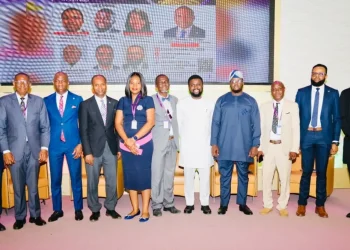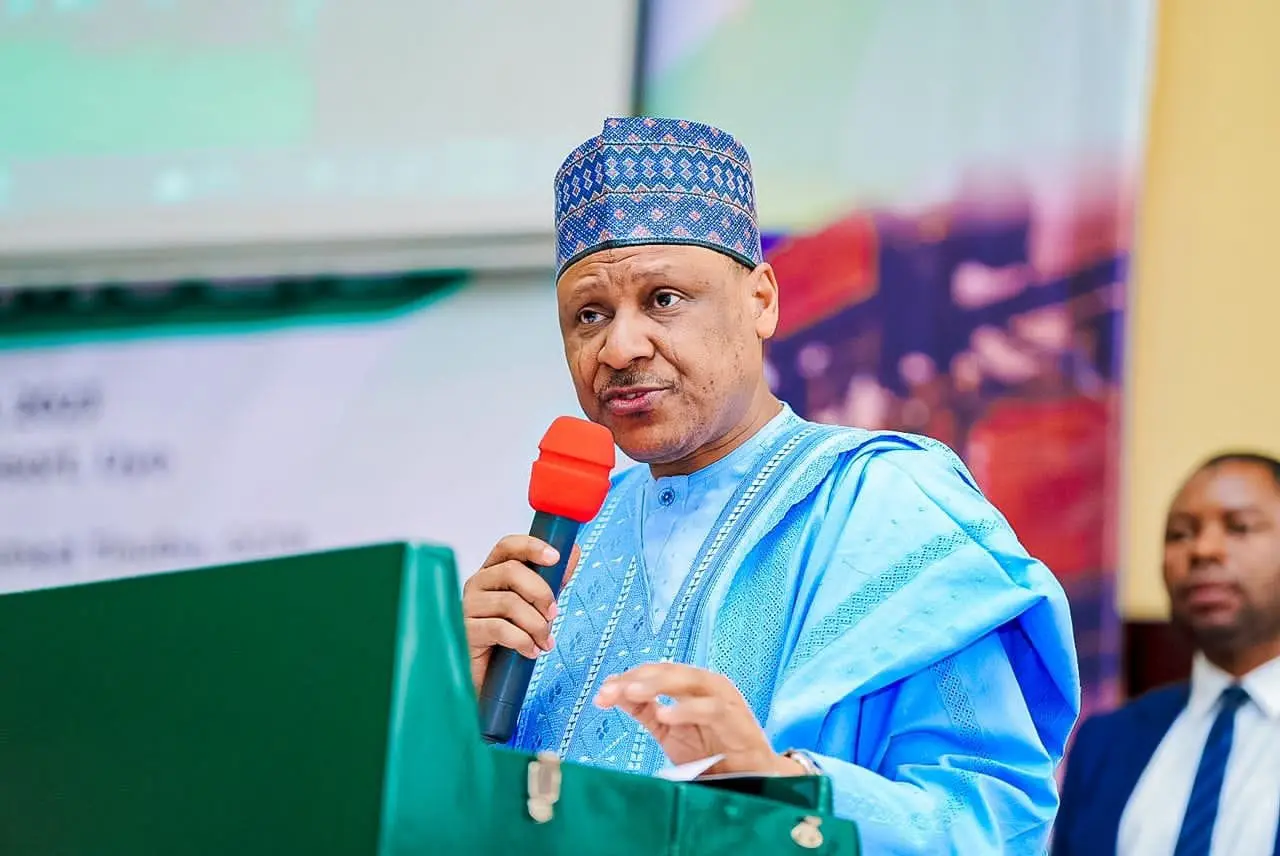

The Minister of Information and National Orientation, Alhaji Mohammed Idris, has urged stakeholders to prioritise trust and promote Africa-driven narratives in global communication systems. Idris, represented by the Managing Director of the News Agency of Nigeria (NAN), Malam Ali M. Ali, made the remarks at the maiden national conference organised by the International Communication Association (ICA) Nigeria in Abuja on Tuesday.
According to Idris, “one of the most important issues before us today is trust. Around the world, public trust in information is under pressure. False narratives spread quickly, and facts are often contested.”
He noted the real implications for countries like Nigeria: “For countries like Nigeria, this has real consequences for governance, security, and national cohesion.” Rebuilding trust, he added, “requires communication anchored on truth, responsibility, and accountability among governments, media, academia, and civil society.”
The minister stressed the importance of Africa telling its own stories. “We need to highlight resilience, innovation, culture, and progress, rather than relying on externally shaped narratives.” He noted that Nigeria’s vibrant media space encourages public discourse but demands commitment to accuracy, fairness, and responsible reporting.
The conference, themed “Global Communication Shifts and Implications for Africa,” comes at a critical moment as rapid changes in information production and consumption reshape politics, economies, and citizen-government relations globally. Idris pointed out that digital platforms have amplified Africa’s voice, while also exposing societies to misinformation and declining trust in institutions. “For Africa, these shifts present both opportunity and responsibility,” he said.
He highlighted the transformative potential of Artificial Intelligence and digital technologies but warned of risks including bias, manipulation, and information control. “Africa must not remain a passive consumer of these technologies. We must actively shape how they are used. This requires investment in research, education, and policy frameworks that reflect our realities and protect our values. It also calls for stronger collaboration between governments, universities, and the private sector.”
Idris emphasised the role of young people as innovators, creators, and influencers in shaping Africa’s communication future. “Effective communication is critical to democracy, promoting transparency, accountability, and inclusive citizen participation.” He reaffirmed the administration of President Bola Tinubu’s commitment to improving access to information and strengthening responsible media practices.
Speaking at the conference, the Rector of West Africa Broadcast and Media Academy (WABMA), Ken Okere, stressed collaboration between academia and industry. “Global communication is undergoing rapid transformation driven by artificial intelligence, algorithms and the spread of misinformation,” Okere said. “Africa is not outside this shift. We are at the centre of it. We are producing content at scale. But are we shaping the systems behind that communication, or simply participating in structures designed elsewhere?”
Okere noted a gap between theoretical knowledge and practical skills, calling for communication education to evolve. Meanwhile, Yakubu Ozohu-Suleiman, Associate Professor at Nile University, urged African scholars and media professionals to reconceptualise news values to reflect development aspirations. “Africa must build capacity to attract positive news coverage and tell its own stories from a growth and opportunity perspective,” he said, stressing the need to strengthen communication infrastructure for timely and effective global engagement.
Improved media systems, he concluded, would enhance Africa’s image and competitiveness in the global information space.