


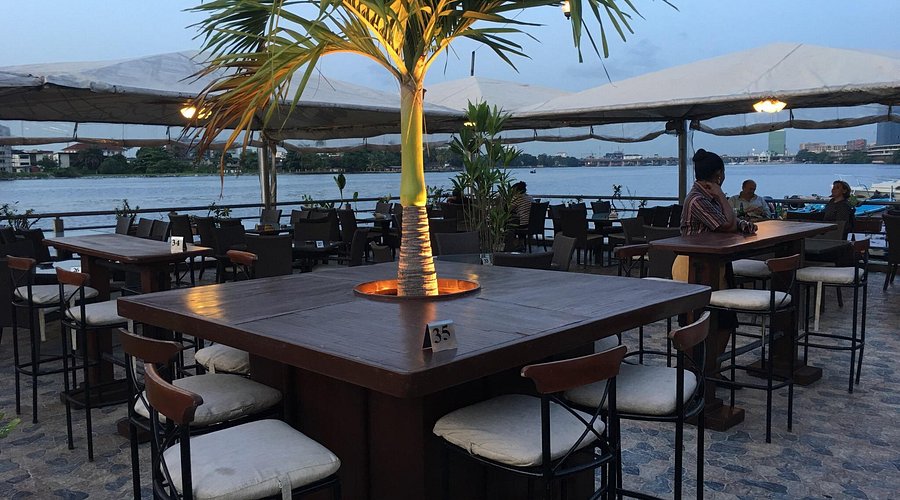

Lagos’ premium restaurant sector is increasingly emerging as a parallel luxury economy, driven by affluent consumer spending, hospitality investment, and high-end real estate development across Victoria Island, Ikoyi, and Eko Atlantic.
What was once a niche hospitality segment has evolved into a broader lifestyle market where dining, nightlife, culture, and waterfront development intersect. Developers and hospitality investors now see upscale restaurants not only as food-service businesses, but as strategic lifestyle assets capable of attracting elite consumers and enhancing destination appeal.
The sector remains concentrated in Lagos’ most affluent districts, where proximity to luxury residences, corporate offices, and waterfront developments continues to support premium pricing.
Among the industry’s standout operators is NOK by Alára, which has helped reposition West African cuisine within the fine-dining category. Industry estimates place customer spending for curated dining experiences between ₦80,000 and ₦150,000 per head, particularly among diaspora visitors, executives, and affluent residents. The restaurant’s fusion of food, art, and contemporary African culture reflects the growing importance of experience-led hospitality.
Meanwhile, venues such as Shiro Lagos are capitalising on hybrid business models that combine dining with nightlife, entertainment, and premium beverage sales. Operators increasingly rely on late-night traffic and private events to offset rising operating costs and maintain profitability.
Hotel-linked operators also remain important players within the market. Establishments connected to Eko Hotels & Suites benefit from corporate bookings, conferences, and international business travel, giving them more diversified revenue streams than standalone restaurants. However, their performance remains tied to broader hospitality occupancy cycles.
Import-dependent luxury restaurants face mounting pressure from naira depreciation and elevated logistics costs. Operators say the cost of imported meats, wines, and specialty ingredients has risen significantly over the past 18 months, with some industry estimates placing increases in landed costs at roughly 35% to 40%.
In contrast, Cilantro Lagos has maintained relatively stable demand due to its expatriate and diplomatic clientele, highlighting the resilience of internationally oriented dining concepts within Lagos’ luxury hospitality market.
Emerging operators are also testing Eko Atlantic as a new hospitality corridor. Restaurants such as Kaly Restaurant are leveraging skyline views and waterfront aesthetics to attract premium leisure spending beyond the traditional Victoria Island cluster.
Despite strong long-term demand prospects, profitability across the sector increasingly depends on experience-based pricing and diversified revenue streams that extend beyond food sales alone. Rising diesel prices, persistent power shortages, and exchange-rate instability continue to compress margins, forcing many operators to reprice menus every 60 to 90 days.
Analysts expect Lagos’ luxury dining sector to grow alongside Nigeria’s expanding high-net-worth population, although future expansion will depend heavily on foreign exchange stability, energy-cost management, and the commercial success of emerging districts such as Eko Atlantic.


