
The Kano State Government has implemented a strategic contraction of the Eid-el-Fitr festivities, balancing the preservation of the state’s cultural capital with the urgent need to protect its position as Northern Nigeria’s primary commercial hub.
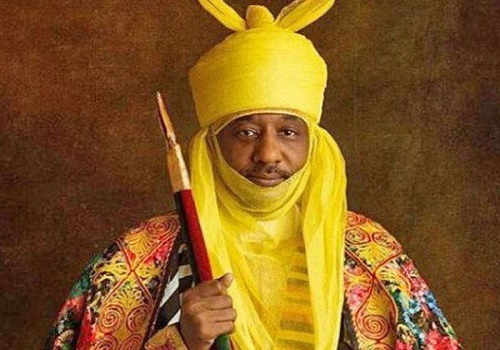
By authorizing Emir Muhammad Sanusi II to lead a streamlined Hawan Idi procession while simultaneously suspending high-traffic events like Hawan Daushe and Hawan Fanisau, the administration is moving to mitigate “intelligence-backed” security risks that could destabilize the local economy.
From a fiscal perspective, the durbar is more than a ceremony; it is a significant driver of the informal economy, stimulating the hospitality, transport, and retail sectors.
However, Commissioner for Information Ibrahim Waiya emphasized that protecting lives, property, and the broader business environment remains the priority, as any disruption to law and order would result in far greater long-term capital flight and commercial paralysis.
The economic trade-off is evident in the government’s decision to modify the Hawan Nasarawa procession, stripping it of its traditional horseback displays, and canceling several peripheral durbars.
While these cancellations represent a lost opportunity for micro-entrepreneurs and street vendors who rely on the massive crowds these events draw, the state views this as a necessary measure to ensure “hitch-free” commerce and prevent property damage in high-density trade zones.
By placing security agencies on high alert and directing the flow of the procession through specific routes from Kofar Mata to the Emir’s palace, the government is essentially creating a secured corridor for the state’s cultural leadership.
This move aims to maintain the “Kano Brand” as a safe destination for investment and trade, signaling to the national market that the state can manage internal security challenges without succumbing to total commercial shutdown.