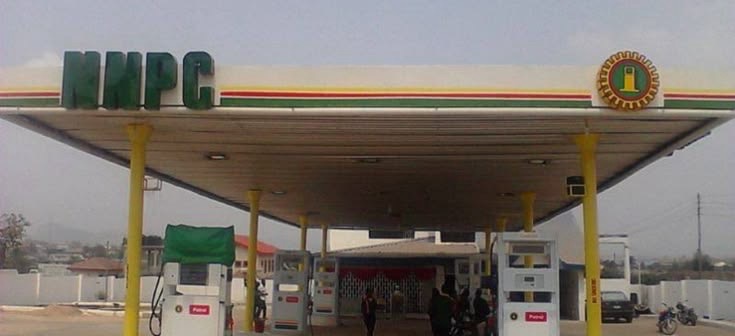

The Independent Petroleum Marketers Association of Nigeria has criticised the Nigerian National Petroleum Company Limited over its interest in increasing its ownership stake in the Dangote Petroleum Refinery while government-owned refineries across the country remain largely inactive.
The National Publicity Secretary of IPMAN, Chinedu Ukadike, questioned why the NNPC was seeking to invest more money in the privately-owned refinery instead of focusing on reviving the Port Harcourt, Warri, and Kaduna refineries.
Ukadike made the remarks while reacting to comments by Aliko Dangote, who recently revealed that the NNPC attempted to buy more shares in the $20bn Dangote Refinery after already acquiring a 7.25 per cent stake in the project.
Speaking during an interview with Nicolai Tangen, Dangote said his company rejected the request because it wanted broader public participation in the refinery rather than increased government ownership.
Reacting to the development, Ukadike argued that it was difficult to understand why the NNPC would pursue additional investment in a functioning private refinery when billions of dollars had already been spent on rehabilitating state-owned refineries that are still not operating efficiently.
According to him, the national oil company should concentrate on fixing critical oil infrastructure and pipelines instead of seeking more control in the Dangote facility.
He also defended Dangote’s decision to reject the proposal, saying the businessman had every right to protect his business interests. Ukadike noted that Dangote may want to avoid unnecessary disputes or political influence in the running of the refinery.
Dangote explained that the NNPC initially planned to acquire a 20 per cent stake in the refinery but later settled for 7.25 per cent after failing to complete payment before the agreed deadline in June 2024.
He disclosed that the original agreement gave the NNPC room to own a larger portion of the refinery, but the company could not pay the balance within the extension period granted to it. As a result, the state oil company retained only the shares it had already paid for.
Dangote also said the refinery owners now plan to list the company publicly so that more Nigerians can invest and own part of the project.
However, some stakeholders in the petroleum industry believe the federal government should maintain a stronger presence in such a strategic national asset.
One industry operator, who asked not to be identified, argued that Nigeria would benefit more if the NNPC held a 20 per cent stake in the refinery. According to him, government participation would ensure greater national influence over decisions involving a refinery that plays a major role in the country’s economy and fuel supply.
The stakeholder added that allowing the NNPC to own more shares would also give the government stronger representation on the company’s board and help protect national interests.
Despite the debate, a senior NNPC official said the company remains satisfied with its current 7.2 per cent stake in the refinery. The official explained that the investment belongs to all Nigerians and described the relationship between the NNPC and the Dangote Group as positive and beneficial to the country’s energy sector.
The Dangote Refinery, regarded as one of Africa’s largest refining projects, continues to attract attention because of its expected impact on Nigeria’s fuel supply, imports, and overall economy.