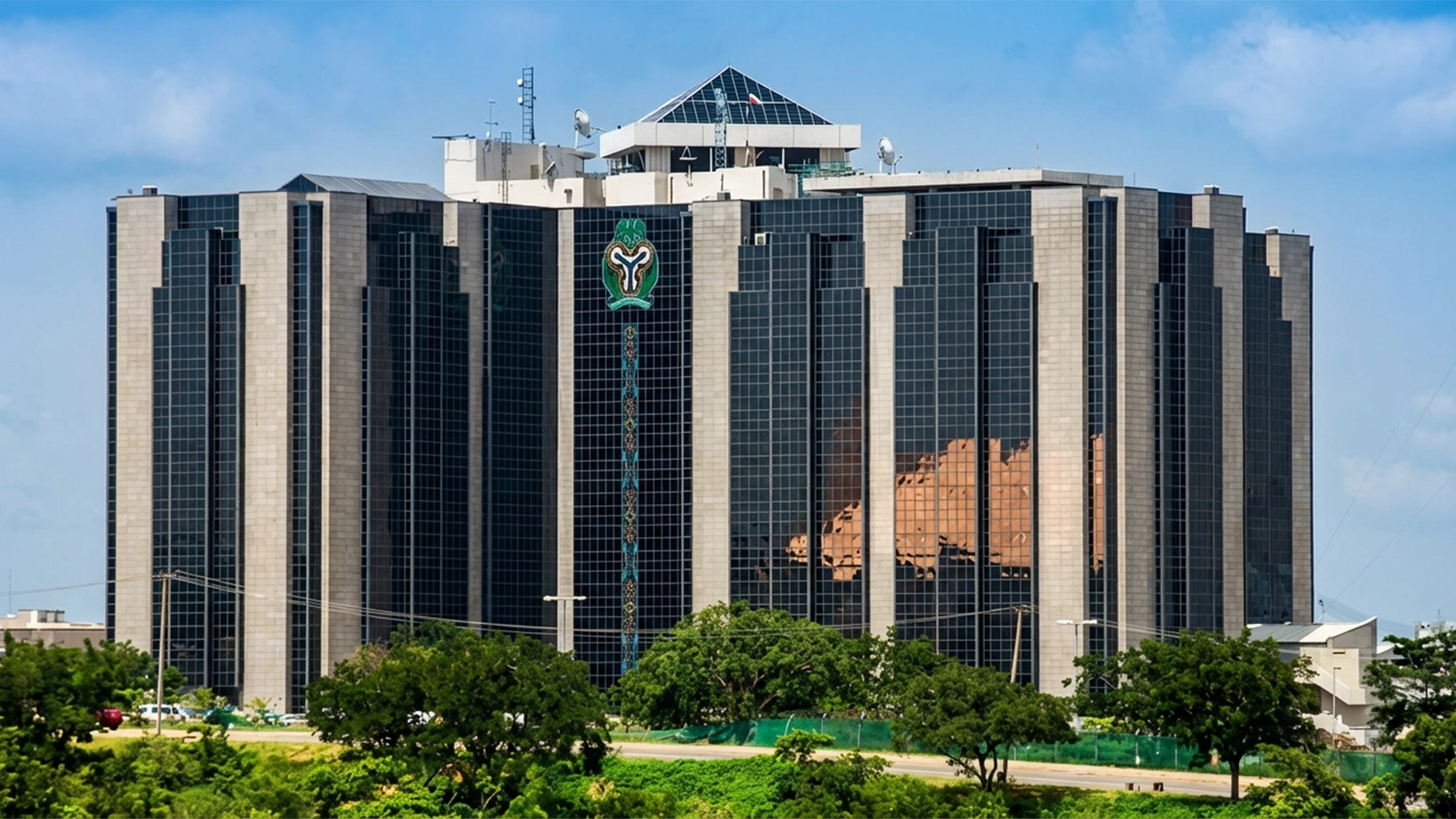

The Central Bank of Nigeria has unveiled a new foreign exchange manual designed to streamline operations in the country’s FX market, improve liquidity conditions, and reduce inconsistencies in trading practices across authorised dealers and market participants.
The updated framework introduces clearer procedural guidelines for foreign exchange transactions, aiming to enhance transparency and strengthen regulatory oversight in a market that has frequently faced volatility, widening spreads, and periodic dollar shortages. Officials say the reforms are intended to improve price discovery and ensure more efficient allocation of scarce foreign currency resources.
By standardising documentation requirements and clarifying eligibility rules for access to official FX windows, the manual is expected to reduce administrative bottlenecks that have historically slowed transactions for importers, manufacturers, and financial institutions. Market participants have long argued that fragmented rules contributed to inefficiencies and arbitrage opportunities across segments of the FX market.
The move comes at a time when Nigeria continues to grapple with pressure on the naira, driven by external reserve constraints, import dependency, and fluctuating capital inflows. Policymakers hope that a more predictable regulatory framework will help restore confidence among investors and encourage greater participation in official FX channels.
Analysts note that while procedural reforms alone may not resolve structural demand-supply imbalances, they can play a critical role in improving market functioning. In particular, clearer rules may help narrow the gap between official and parallel market rates by reducing uncertainty and improving liquidity distribution across authorised dealers.
The manual is also expected to enhance compliance monitoring, allowing the regulator to better track transactions and enforce anti-money laundering and reporting standards. Over time, this could support broader financial system stability and align Nigeria’s FX operations more closely with international best practices.
The manual is also expected to enhance compliance monitoring, allowing the regulator to better track transactions and enforce anti-money laundering and reporting standards. Over time, this could support broader financial system stability and align Nigeria’s FX operations more closely with international best practices.
If successfully implemented, the new manual could mark a meaningful step toward a more transparent, liquid, and rules-based foreign exchange system.