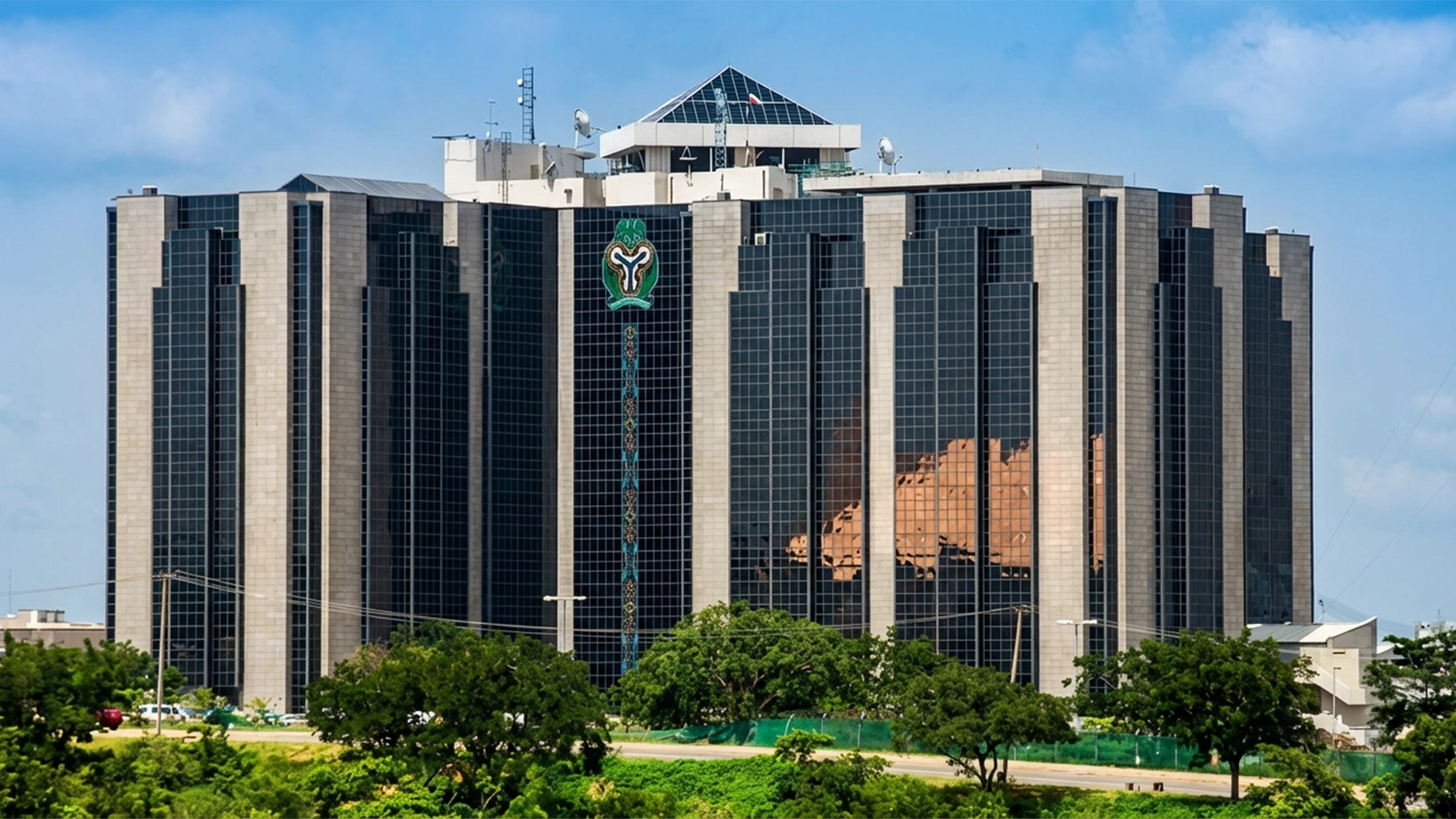

Nigeria’s fixed-income market witnessed a sharp surge in activity after Open Market Operation (OMO) sales climbed to N5.63 trillion within two weeks, underscoring aggressive liquidity management by the Central Bank of Nigeria and renewed investor appetite for high-yield government securities.
The latest auction results showed particularly strong demand for the 126-day OMO bill, which recorded significant oversubscription as institutional investors rushed to lock in elevated short-term yields amid persistent inflationary pressures and tight liquidity conditions.
OMO instruments are short-term securities issued by the central bank to regulate money supply in the banking system. By selling these bills, the CBN effectively mops up excess liquidity from commercial banks and investors, helping to stabilise inflation and support the naira.
Market analysts said the sharp rise in subscriptions reflects growing demand for risk-free assets at a time when yields across Nigeria’s fixed-income market remain attractive relative to inflation-adjusted returns in other emerging economies.
The 126-day bill emerged as the standout tenor during the auction, attracting demand well above the amount offered. Traders attributed the strong participation to expectations that interest rates could remain elevated for longer as monetary authorities continue efforts to tame inflation and defend currency stability.
The development comes as Nigeria’s financial markets adjust to tighter monetary conditions following a series of interest rate hikes by the CBN’s Monetary Policy Committee. Higher benchmark rates have pushed yields upward across Treasury bills, bonds, and OMO instruments, drawing stronger participation from banks, asset managers, pension funds, and offshore investors seeking short-duration exposure.
Analysts noted that the scale of OMO issuance also signals the central bank’s determination to absorb excess system liquidity generated by fiscal spending, maturing securities, and foreign exchange interventions.
“The level of subscription indicates that liquidity remains relatively strong despite tighter monetary policy,” said one Lagos-based fixed-income analyst. “Investors are positioning aggressively in short-dated government securities because yields remain highly compelling.”
The spike in OMO activity could also have broader implications for private sector borrowing costs. As government securities continue offering elevated returns with minimal risk, banks may prefer investing in sovereign instruments rather than extending credit to businesses, potentially tightening financing conditions for the real economy.
Financial markets will now closely monitor upcoming auctions and monetary policy signals for indications of whether the CBN intends to sustain aggressive liquidity tightening through the second half of the year.
For investors, however, the current environment continues to present lucrative opportunities in Nigeria’s money market, particularly for institutions seeking stable short-term returns amid ongoing macroeconomic uncertainty.