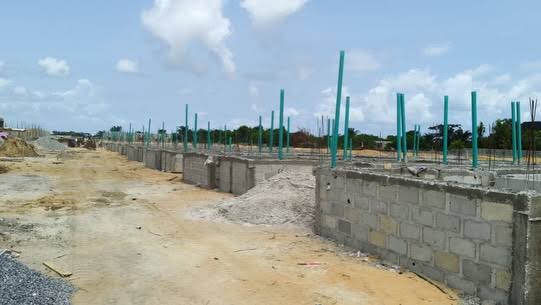

Nigeria’s real estate sector is facing mounting pressure as worsening insecurity and the withdrawal of security escorts in several high-risk areas disrupt construction activities, delay project completion timelines, and increase development costs.
Industry stakeholders say developers operating in parts of the country affected by kidnapping, banditry and violent attacks are struggling to maintain construction schedules as workers, contractors and suppliers become increasingly reluctant to operate in vulnerable locations. The situation has added another layer of complexity to a sector already grappling with high inflation, elevated borrowing costs and rising building material prices.
Real estate developers note that security concerns have become a major factor in project planning and execution. In some locations, the reduction or withdrawal of security escorts previously used to protect personnel and construction assets has limited access to project sites, slowed the movement of materials and increased operational risks.
The disruptions are contributing to longer project delivery timelines, with some developments facing months of delays. Industry analysts warn that prolonged construction schedules often translate into higher financing costs, increased overhead expenses and ultimately more expensive housing units for consumers.
The challenge comes at a time when Nigeria is seeking to address a significant housing deficit estimated in the millions of units. Delays in project execution could undermine efforts to expand housing supply and improve affordability, particularly in urban centres where demand for residential properties continues to outpace available stock.
Property investors are also becoming more cautious. While demand for quality housing remains strong, security-related uncertainties can affect investment decisions, especially for large-scale residential and mixed-use developments that require substantial capital commitments and long construction periods.
Analysts argue that restoring investor confidence will require a coordinated approach involving stronger security measures, improved infrastructure and policy consistency. Enhanced protection for construction corridors, logistics routes and project sites could help reduce disruptions and improve the operating environment for developers.
Despite the challenges, industry participants remain cautiously optimistic about the sector’s long-term prospects. Nigeria’s rapid urbanisation, population growth and expanding middle class continue to support underlying demand for residential and commercial real estate.
However, stakeholders warn that unless security conditions improve, project delays and rising costs could continue to constrain housing delivery, limiting the sector’s ability to meet growing demand and contribute fully to economic growth.
As developers navigate an increasingly complex operating environment, security is emerging as a critical determinant of project viability, investment attractiveness and the future pace of real estate development across Nigeria.