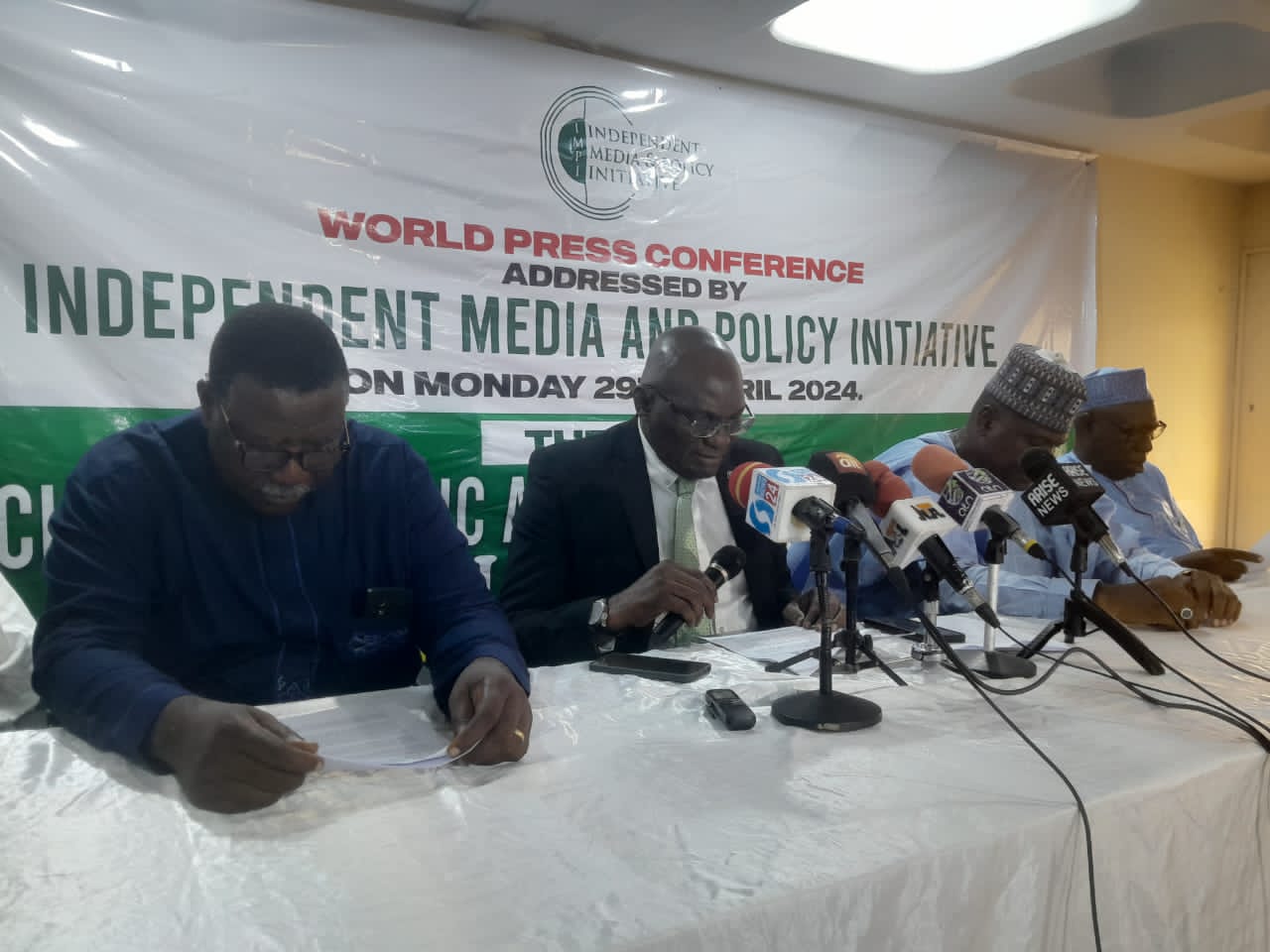

The Independent Media and Policy Initiative (IMPI) has projected that Nigeria’s economy could grow by 5.5 percent, citing recent policy reforms and improving macroeconomic indicators.
In its latest policy note, the think tank said the projection is anchored on expectations of stronger performance in key sectors, including services, agriculture, and industry, as well as the impact of ongoing fiscal and monetary adjustments.
IMPI said recent reforms in the foreign exchange market, subsidy removal, and efforts to stabilise public finances are beginning to reshape economic fundamentals, although short-term pressures remain. According to the organisation, improved policy coordination could help unlock higher growth if structural bottlenecks are addressed.
Commenting on the outlook, IMPI said Nigeria’s growth prospects would depend largely on the ability of policymakers to sustain reforms and improve productivity across sectors.
“If current policy measures are maintained and supported by complementary structural reforms, Nigeria has the potential to record growth of up to 5.5 percent,” the group said.
The think tank noted that while inflationary pressures and exchange rate volatility continue to pose risks, gradual improvements in investor confidence and capital inflows could support economic expansion over the medium term.
IMPI also highlighted the role of private sector activity, stressing that stronger investment in infrastructure, manufacturing, and digital services would be critical to achieving the projected growth rate.
“Economic growth at this scale will require deliberate efforts to crowd in private investment and improve the business environment,” the organisation added.
Analysts say the projection is more optimistic than recent official growth forecasts but reflects expectations that reforms could yield stronger output gains once transitional costs ease. However, they caution that persistent challenges such as high inflation, insecurity, and weak purchasing power could temper the pace of recovery.
IMPI said addressing these constraints would be essential to translating macroeconomic reforms into inclusive growth that improves living standards and employment outcomes.