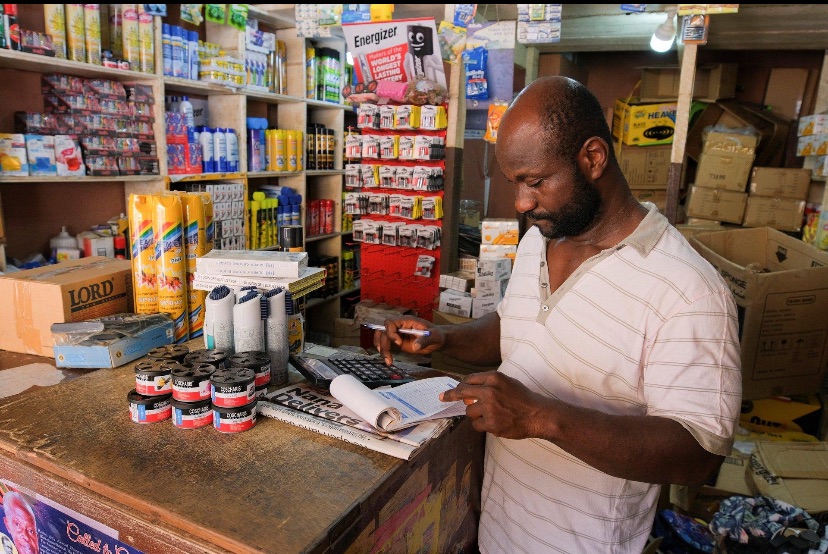

Small and medium-sized enterprises (SMEs) across Nigeria are finding it harder to access affordable loans as high interest rates continue to reshape the country’s lending environment. The rising cost of borrowing is not only slowing business expansion but is also forcing many consumers to rethink their spending habits.
For many business owners, loans are essential for purchasing equipment, increasing inventory, paying salaries, or expanding operations. However, with lending rates remaining high, the cost of repaying borrowed money has increased significantly. This has discouraged many entrepreneurs from taking new loans, while others are struggling to keep up with repayments on existing facilities.
The situation is also affecting consumers. Individuals who once relied on bank loans or credit facilities to buy cars, build homes, pay school fees, or finance personal projects are becoming more cautious. Higher interest charges mean monthly repayments are larger, making borrowing less attractive for many households.
Small businesses are among the hardest hit. Many SMEs operate on tight profit margins, and expensive credit reduces the amount of money available for day-to-day operations. Some business owners have delayed expansion plans, reduced staff hiring, or postponed investments in new technology because financing has become more costly.
Retail businesses are also feeling the pressure. As consumers reduce borrowing and spending, demand for non-essential goods has weakened. Shops, restaurants, and service providers have reported slower sales, leading some businesses to introduce discounts and promotions to attract customers.
Financial experts explain that central banks often keep interest rates high to control inflation. When borrowing becomes more expensive, spending slows, helping to reduce pressure on rising prices. While this policy can support long-term economic stability, it can also create short-term challenges for businesses and consumers that depend on affordable credit.
Despite the difficult environment, some businesses are adjusting their strategies. Instead of relying heavily on bank loans, entrepreneurs are focusing on improving cash flow, reducing unnecessary expenses, and increasing operational efficiency. Others are seeking alternative funding through investors, cooperative societies, crowdfunding platforms, and business partnerships.
Banks are also becoming more selective when approving loans. Many lenders now require stronger financial records, better collateral, and detailed business plans before extending credit. This has made it even more challenging for startups and younger businesses to secure financing.
Economists believe that if inflation continues to ease in the coming months, borrowing costs could eventually begin to fall. Lower interest rates would make credit more affordable, encourage business investment, and increase consumer spending, providing a boost to economic growth.
Until then, business owners are being encouraged to manage their finances carefully, avoid unnecessary debt, and focus on sustainable growth. Consumers are also advised to borrow only when necessary and ensure they can comfortably meet repayment obligations.
Although high interest rates present significant challenges today, businesses that remain financially disciplined, improve efficiency, and adapt to changing market conditions will be better positioned to benefit when lending conditions eventually become more favorable.