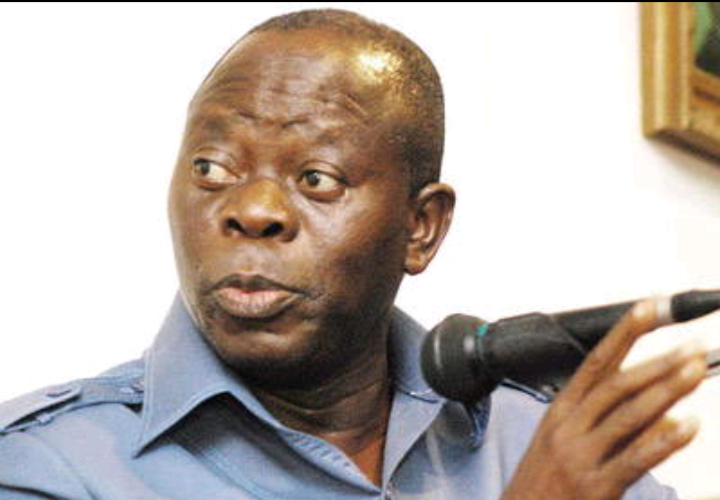

Lawmakers are now pressing for stronger regulation of Nigeria’s fintech sector after Adams Oshiomhole, a senator for Edo North, revealed that his bank account was compromised through the platforms OPAY and Moniepoint not through any traditional bank.
During a plenary on a bill to amend the Banks and Other Financial Institutions Act (BOFIA), the Senate considered expanding oversight and giving the Central Bank of Nigeria (CBN) authority to monitor “systemically important” fintechs.
Oshiomhole warned that the hackers funneled illicit transactions through fintech platforms instead of licensed banks, highlighting a worrying lack of transparency. “When they hacked into my account, I found that all the institutions used were OPAY and Moneypoint; none of the registered banks were used,” he said. He added that many fintech operators lack identifiable leadership or a physical branch presence, making recourse difficult if fraud occurs.
He urged members of the Senate to support the bill but also to scrutinize it thoroughly inorder to ensure all possible loopholes are blocked.
Under the proposed changes, fintechs operating at large scale would be required to register, be designated as significant institutions, and submit to enhanced supervision.
Economically, tightening fintech oversight could help safeguard investor and consumer confidence, preserving the integrity of Nigeria’s rapidly growing digital-payment ecosystem and protecting the flow of capital that supports numerous SMEs nationwide.
In short: what began as a personal hacking incident for Oshiomhole has morphed into a broader call to rein in fintech firms whose sprawling, lightly regulated operations now underpin large swathes of Nigeria’s digital economy.