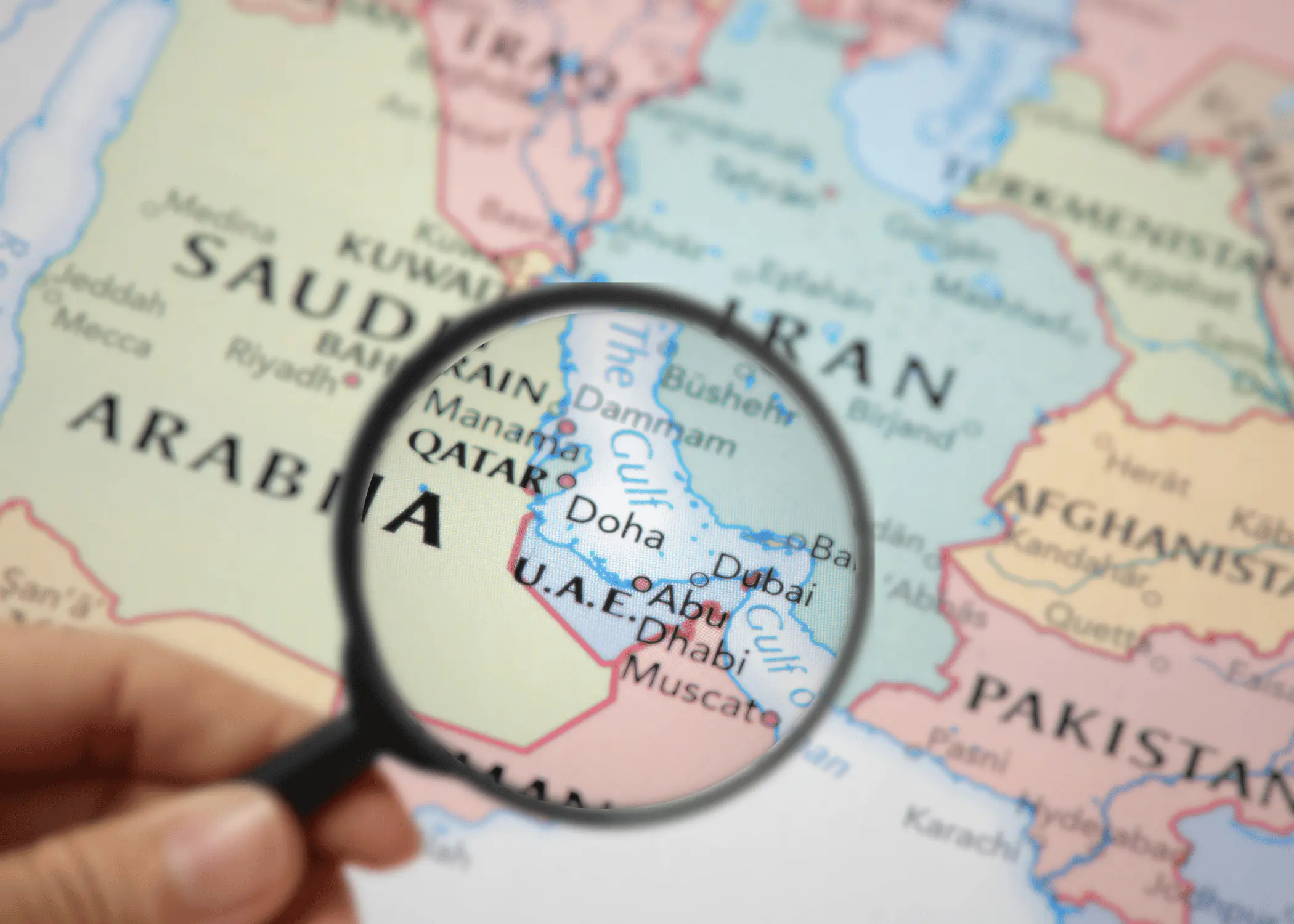

Turkish Foreign Minister Hakan Fidan has issued a stark warning regarding the deteriorating security situation in the Middle East, indicating that Gulf nations may be forced to take decisive action if the current conflict persists. Following a high-level regional tour that included Saudi Arabia, Qatar, and the United Arab Emirates, Fidan revealed that Gulf leaders are evaluating the risk of a prolonged war, which they anticipate could last several more weeks. While these nations have maintained a policy of non-intervention—expressly forbidding the use of their airspace or military bases for strikes against Iran—the continued targeting of civilian infrastructure and economic assets has heightened the sense of urgency within the region’s diplomatic circles.
The Turkish envoy emphasized that the United States remains a central player in resolving the crisis, though he noted a growing divergence between the initial positions of Washington and Tel Aviv. This “policy drift” could inadvertently prolong the hostilities, as Israel appears increasingly inclined to inflict maximum damage on Iranian infrastructure to deter future aggression. From a business journalism perspective, the threat of a widened conflict poses a direct risk to global energy markets and supply chain stability. For the Gulf economies, the shift in focus from regional integration to defense readiness represents a significant reallocation of capital that could otherwise have driven post-oil diversification projects under various “Vision” agendas.
Institutional integrity and regional stability are currently at a crossroads as diplomatic channels struggle to secure a durable ceasefire. Fidan noted that while negotiations during active combat are unlikely, a short-term humanitarian pause could provide a window for formal talks. However, the lack of willingness from key parties to pursue peace suggests that the conflict may continue to weigh heavily on the global investment climate. For Turkey, which has maintained a principled stance against both Israeli expansionism and Iranian escalation, the crisis has bolstered its reputation as a reliable mediator, yet the limits of diplomacy are becoming increasingly apparent as the theater of war expands.
The economic repercussions of this instability extend far beyond the Levant, significantly impacting the West African sub-region. According to Ikemesit Effiong, Head of Research at SBM Intelligence, the closure of critical shipping corridors like the Strait of Hormuz has created a “follow-through inflationary impact” on African economies. Effiong notes that while West Africa possesses significant hydrocarbon resources, it remains vulnerable to global price fluctuations and supply chain disruptions. The cost of essential inputs, such as fertilizers and refined petroleum products, has surged, straining public finances and increasing the pressure on household budgets in major economies like Nigeria and Ghana.
Furthermore, Effiong warns that the conflict could exacerbate security challenges in the Sahel. There is a growing concern that Western military and economic infrastructure in West Africa could become targets for opportunistic attacks by local militant groups [04:43]. These groups, though not always directly aligned with the primary combatants in the Middle East, may use the geopolitical tension as a “straw man” to justify strikes against regional partners of the United States and Europe. For Nigeria, which has only recently onboarded significant new refining capacity, the conflict serves as a reminder of the urgent need for domestic processing and regional “preferential trade agreements” to cushion the citizenry against exogenous geopolitical shocks.