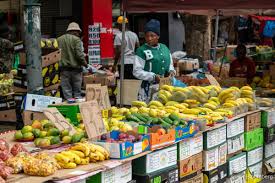

Global food prices climbed in March to their highest level since September 2025, as rising energy costs tied to the escalating United States-Iran conflict pushed up production and transport expenses, the Food and Agriculture Organisation of the United Nations has said. The FAO Food Price Index, which tracks monthly changes in international prices of a basket of globally traded food commodities, averaged 128.5 points in March, up 2.4 per cent from its revised February level and 1.0 per cent above its value a year ago.
The index now stands at its highest level since September 2025, reflecting a second consecutive month of increases after a five month decline. Price indices across all commodity groups—cereals, meat, dairy, vegetable oils and sugar rose to varying degrees, reflecting not only underlying market fundamentals but also responses to higher energy prices linked to the conflict escalation in the Near East.
The FAO Cereal Price Index increased by 1.5 per cent from the previous month, driven primarily by higher world wheat prices, which rose 4.3 per cent due to drought related deterioration of crop prospects in the United States and expectations of reduced plantings in Australia due to higher fertiliser costs. Global maize quotations edged up slightly, as ample global availability offset concerns over fertiliser affordability and indirect support from greater ethanol demand prospects linked to rising energy prices. By contrast, the FAO All Rice Price Index declined by 3.0 per cent in March, driven by harvest timing, weaker import demand, and currency depreciations against the United States dollar.
The FAO Vegetable Oil Price Index increased by 5.1 per cent from February to stand 13.2 per cent higher than its year earlier level. International quotations for palm, soy, sunflower and rapeseed oil all rose, reflecting spillover effects from sharp increases in crude oil prices, which catalysed expectations of stronger demand for biofuels. International palm oil prices reached their highest level since mid-2022 and moved to a premium over soyoil, largely reflecting spillover effects from crude oil price increases, while lower than expected production estimates in Malaysia provided additional support.
The FAO Sugar Price Index jumped 7.2 per cent in March to its highest since October 2025. Rising expectations that Brazil, the world’s largest sugar exporter, would channel more sugarcane into producing ethanol to counter higher international crude oil prices drove the increase. Additional upward pressure on sugar prices stemmed from concerns over the impact of the Near East conflict escalation on sugar trade flows. Nevertheless, the overall increase was contained by a generally favourable global supply outlook for the 2025/26 season, supported by good harvest progress in India and Thailand.
The FAO Meat Price Index averaged 127.7 points in March, up 1.0 per cent from February and 8.0 per cent above its level a year ago. The increase was mainly driven by higher pig meat prices, underpinned by rising quotations in the European Union ahead of strengthening seasonal demand. World bovine meat prices also rose, led by Brazil, where tightening cattle availability curtailed exportable supplies against the backdrop of solid global demand. By contrast, ovine meat prices declined due to increased export supplies from New Zealand, while world poultry meat prices edged lower, reflecting weaker quotations in Brazil amid ample supplies and steady import demand, with shipments to key Near East destinations rerouted through the Red Sea.
The FAO Dairy Price Index increased by 1.2 per cent, marking the first increase since July 2025. The rise was driven primarily by higher quotations for skim milk powder, butter, and whole milk powder, supported by firm global import demand and a seasonal decline in milk supplies in Oceania as the production cycle moved past its peak. International cheese prices declined further in the European Union, where increased milk availability, higher cheese output, and subdued export demand weighed on quotations.
FAO Chief Economist Maximo Torero warned that while price rises since the conflict began have been driven mainly by higher oil prices and cushioned by ample global cereal supplies, the outlook could deteriorate if the conflict persists. “If the conflict stretches beyond 40 days with high input costs and current low margins, farmers will have to choose: farm the same with fewer inputs, plant less, or switch to less intensive fertiliser crops. Those choices will hit future yields and shape our food supply and commodity prices for the rest of this year and all of the next,” he said.
The conflict has disrupted global shipping routes and fertiliser supplies. Up to 40 per cent of world exports of nitrogen fertiliser pass through the Strait of Hormuz, which Iran has effectively closed. Urea prices have risen 50 per cent since the war began and ammonia prices 20 per cent. Higher fertiliser costs are likely to make food more expensive and less abundant as farmers reduce applications and accept lower yields. The squeeze on food supplies will fall hardest on households in poorer countries, including Nigeria, which depends heavily on imports for both food and fertiliser.
For Nigeria, the transmission channels for these global price increases are direct and severe. The country imports significant quantities of wheat, rice, sugar, and vegetable oils, all of which have seen price increases in international markets. The naira’s exchange rate dynamics amplify these shocks, as importers require more local currency to purchase the same volume of goods. Higher energy prices also increase domestic transportation and production costs, feeding into broader inflation pressures that the Central Bank of Nigeria has been working to moderate.
Despite these pressures, the FAO noted that global cereal supply remains comfortable. The organisation raised its estimate for 2025 global cereal production to a record 3.036 billion metric tons, 5.8 per cent higher year on year. The world cereal stocks to use ratio at the end of seasons in 2025/26 is forecast to stand at 32.2 per cent, underlining an overall comfortable global supply situation. However, the duration of the conflict and its impact on energy and fertiliser markets will determine whether this buffer is sufficient to prevent further price increases in the coming months.