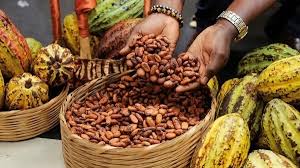

Global cocoa markets are facing a sharp downturn, with prices plunging nearly 70 per cent from over $11,000 per tonne in late 2024 to about $2,900 by March 2026, according to discussions at the International Cocoa Organization meeting in Abidjan. The decline, driven largely by weakening global demand, is hitting major producers such as Côte d’Ivoire and Ghana hard, reducing export earnings and worsening conditions for millions of smallholder farmers.
The price collapse reflects structural shifts in consumer markets. Manufacturers, responding to sustained high prices during the 2024–2025 period, have reformulated products to reduce cocoa content, adopted cheaper substitutes, and reduced product sizes changes that appear to be persisting even as prices have fallen. The cumulative effect has been a significant contraction in demand for cocoa beans, which has not been matched by corresponding supply adjustments.
Despite a global cocoa market valued at nearly $100 billion, producers receive just 3 to 10 per cent of total value, highlighting deep structural imbalances that have long been a source of frustration for producing countries. Officials, including Côte d’Ivoire’s Minister of Agriculture Aly Touré, have called for urgent reforms to rebalance the value chain, enabling producing countries to capture a larger share of the value generated from their raw commodities.
ICCO members are planning a new international agreement in 2026 focused on fairer income distribution, stronger price stabilisation mechanisms, and increased local processing to boost returns for producing countries. The proposed agreement would seek to address longstanding grievances about the concentration of processing and manufacturing in consuming countries, which limits the value retained at origin.
For West African economies heavily dependent on cocoa exports, the price decline has immediate fiscal implications. Côte d’Ivoire, which accounts for roughly 40 per cent of global production, has seen its export earnings from cocoa shrink substantially, affecting government revenues and the incomes of millions of farmers. Ghana, the second-largest producer, faces similar pressures, compounding ongoing fiscal consolidation efforts.
The long-term response will likely involve accelerated efforts to increase domestic processing capacity. Countries such as Côte d’Ivoire and Ghana have set targets for processing a larger share of their cocoa beans locally, capturing more value and creating employment. Achieving these targets will require investment in processing infrastructure, reliable energy supply, and supportive trade policies that encourage local value addition.
As ICCO members work toward a new agreement, the window for meaningful reform is open. The sharp price decline has concentrated minds in both producing and consuming countries on the vulnerabilities inherent in the current structure. Whether this moment translates into lasting changes that rebalance the cocoa value chain will depend on the negotiating capacity of producing countries and the willingness of consuming countries and manufacturers to engage on structural reform.