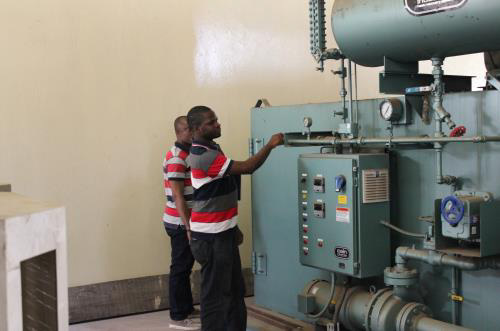

As Nigerians continue to grapple with epileptic power supply from the national grid, the Nigerian Electricity Regulatory Commission has granted approval for 23 companies to generate 1,182.98 Mega Watts of electricity in 2025 under captive power generation permits. According to analysis of NERC’s quarterly reports, 31 licences were given to the 23 companies, representing a significant shift toward self-generation by industrial consumers.
Captive power generation permits are issued to entities that intend to own and maintain power plants exclusively for their consumption and have no intention to sell any electricity generated from the plant. The 1,182.98MW granted to the companies is approximately a quarter of what the country generates from the national grid, highlighting the mass exodus from the grid by industrial consumers as it becomes increasingly unreliable.
Analysis of the quarterly reports showed the first quarter saw the highest number of approvals with 16 applicants granted permits to generate 953.89MW of electricity. In the second quarter, only a single permit was approved for the Nigerian National Petroleum Company Limited for the operation of a 20.8 MW plant at NNPC Towers in Abuja. In the third quarter, three companies were granted permits seeking to generate a total of 72.10MW. In the fourth quarter, permits were issued to 11 applicants for a total sought capacity of 136.19MW.
Companies that were given permits during the year included Nile University of Nigeria, CCK Electric Power Tech. Company, Pulkit Alloy And Steel Limited, Everest Pulp and Paper Limited, Cement Company Limited (BUA), Nigeria Pipes Limited, African Container Terminal Nigeria Ltd Seaport, Kwale Genco FZE, NNPCL, Nigeria Revenue Service, Yongxing Steel Company Ltd, Accugas Limited, Abuja Steel Mill Nigeria Limited, and others. Additionally, NERC issued a total of 64 mini-grid permits to eight different companies, with a combined total capacity of 17.06 MW during the year.
From an economic perspective, the trend toward captive power generation reflects the failure of the national grid to provide reliable electricity. Manufacturers and service providers cannot afford production stoppages caused by grid collapses, forcing them to invest in alternative power sources. While this ensures operational continuity, it represents a inefficient use of capital that could otherwise be invested in core business activities. The shift also raises questions about grid viability: as more large consumers leave, the remaining customers face higher costs, potentially triggering further defections. The NERC’s issuance of mini-grid permits for renewable energy projects offers a more sustainable pathway for rural electrification.