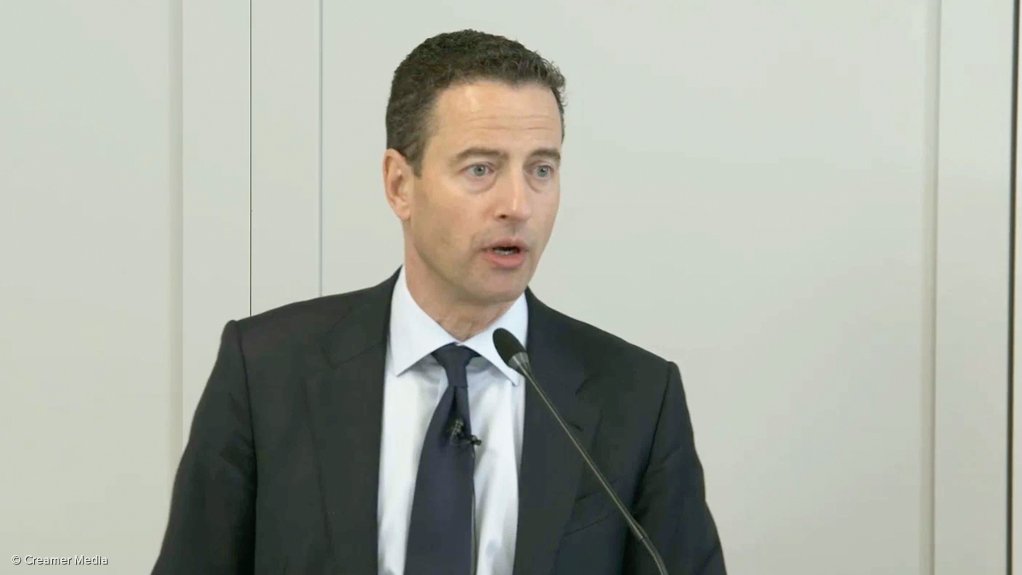

Glencore Plc, under the leadership of South African mining executive Gary Nagle, has secured full ownership of the undeveloped Quechua copper project in southern Peru, marking another step in its long-term strategy to consolidate assets in one of the world’s most important copper-producing regions.
The move follows an agreement by Japan’s JX Advanced Metals to sell its entire stake in the project for an undisclosed sum, ending nearly two decades of Japanese involvement in the asset.
With the transaction completed, the Swiss-based mining and commodities giant now controls a project located close to its existing Antapaccay and Coroccohuayco operations. The proximity of Quechua to these mines gives Glencore the opportunity to create operational synergies, potentially lowering development and operating costs by sharing infrastructure such as processing facilities, transport networks and support services. The acquisition strengthens Glencore’s position in southern Peru, a region that has become central to global copper supply as demand accelerates for the metal used in electric vehicles, renewable energy systems and power grids.
JX Advanced Metals said its decision to exit the Quechua project reflects a broader shift in corporate strategy. The company has been reducing exposure to traditional mining assets that are vulnerable to volatile commodity prices, choosing instead to focus capital on advanced materials used in electronics and industrial manufacturing. Glencore, for its part, said Quechua could play a complementary role alongside its nearby operations if developed. Peruvian mining authorities estimate that bringing the project into production would require investment of about $1.29 billion, underlining both the scale of the opportunity and the capital commitment involved.
Quechua has long been regarded as a promising but dormant asset. Pan Pacific Copper, the mining arm of JX, acquired its interest in the project in 2007 for roughly $40 million. At the time, expectations were that Quechua would begin production by 2012, with annual output projected at about 210,000 metric tons of copper concentrate, equivalent to around 60,000 tons of contained copper. The deposit is estimated to hold approximately 260 million metric tons of mineral reserves. Despite several feasibility studies over the years, development was repeatedly delayed as JX chose to prioritize its Caserones copper mine in Chile.
The sale of Quechua fits into JX’s broader transformation over the past several years. The company is a major global producer of sputtering targets, materials essential for coating semiconductors and components used in chipmaking. Since 2019, it has steadily redirected investment toward materials used in smartphones, vehicles and telecommunications networks, following heavy financial losses at Caserones. Pan Pacific Copper, Japan’s largest refined copper supplier, is 47.8 percent owned by JX, with Mitsui Mining and Smelting holding 32.2 percent and Marubeni owning 20 percent. While JX retains interests in several large Chilean mines, including Caserones, Los Pelambres and Escondida, the company has indicated that it is reviewing options for those stakes, though no decisions have yet been made.
For Glencore, the acquisition reinforces a deep and long-standing presence in Peru. Founded in the 1970s, the company employs around 150,000 people across 35 countries and is a key global supplier of copper, nickel and cobalt, metals that are increasingly critical to the global energy transition. Its wholly owned Antapaccay mine, which began operations in 2012, produced 146,000 tons of copper in concentrate in 2024 and supports roughly 4,500 direct and indirect jobs. Beyond Antapaccay, Glencore owns Coroccohuayco, holds a stake in the giant Antamina mine, and operates logistics and marketing businesses across the country.
The Quechua deal comes as Glencore continues to actively manage and expand its global portfolio. Recently, the company secured government backing to keep Australia’s Mount Isa copper smelter operating and has pursued acquisitions across energy and refining markets in Asia. By taking full control of Quechua, Glencore has positioned itself to potentially unlock additional copper supply at a time when long-term demand remains strong, reinforcing its role as one of the world’s most influential players in the global mining industry.