


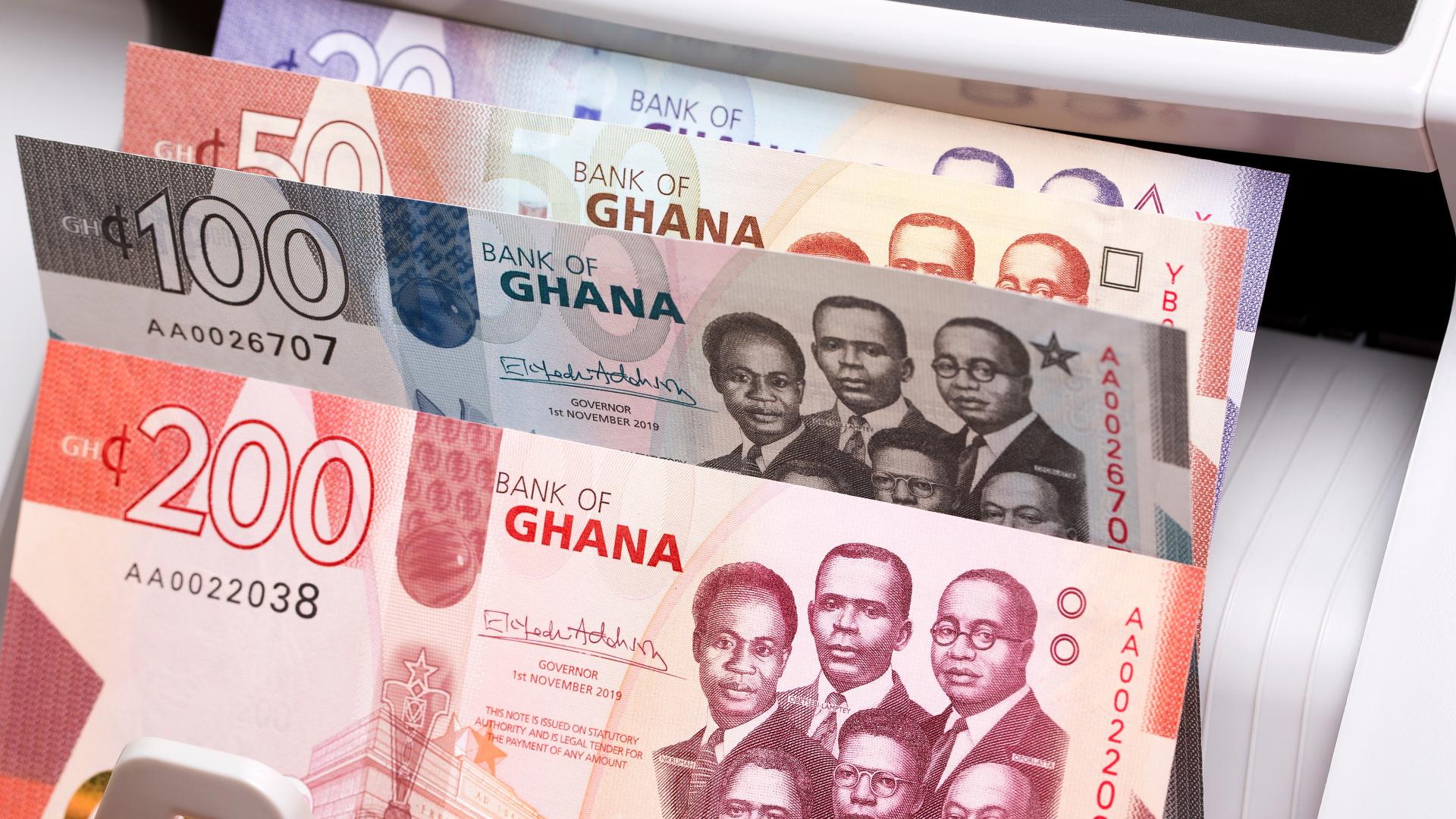

Ghana’s government fell short of its treasury bill target last week, underscoring persistent investor caution despite recent signs of macroeconomic stabilisation. According to data from the Bank of Ghana, the latest auction was undersubscribed by 30%, raising GH¢4.76 billion against a target of GH¢6.82 billion. In a bid to maintain liquidity in the market, all bids were accepted, a departure from recent selective issuances. The 91-day bill continued to dominate investor interest, accounting for GH¢3.4 billion or 73% of total subscriptions, while the 182-day and 364-day tenors attracted GH¢785.31 million and GH¢487.5 million, respectively.
Yields reflected mixed sentiment across maturities. The 91-day bill eased marginally by two basis points to 10.67%, while the 182-day bill inched higher to 12.46% from 12.43% the previous week. The 364-day bill dipped by five basis points to 12.87%. Analysts suggest that these modest yield movements reflect the central bank’s efforts to sustain investor confidence while managing borrowing costs. However, the undersubscription points to a gradual shift in risk appetite, as investors increasingly favour fixed deposits and alternative money market instruments that offer competitive returns without exposure to government debt risk.
The weaker demand also signals residual uncertainty surrounding Ghana’s fiscal outlook despite progress under its International Monetary Fund (IMF) programme. Although inflation has eased from its 2023 peak and the cedi has stabilised, investors remain wary of long-term government paper amid concerns about fiscal consolidation and debt sustainability. With domestic debt restructuring still fresh in memory, many market participants appear to prefer shorter-dated or privately issued instruments that offer liquidity and perceived safety.
Economists say the shortfall could compel the government to recalibrate its borrowing strategy or offer slightly higher yields to meet financing needs in subsequent auctions. A sustained trend of undersubscription could also strain short-term cash flow management, particularly as the government balances expenditure obligations with commitments under its IMF-supported economic reform plan. Still, the all-bid acceptance stance suggests a pragmatic approach by the Bank of Ghana to maintain market confidence and avoid crowding out private-sector borrowing.
Overall, the auction results highlight a delicate balancing act for Ghana’s fiscal authorities: maintaining attractive yields to draw in investors while avoiding a rise in debt-servicing costs. The episode also underscores the evolving dynamics of Ghana’s domestic money market, where the competition between government instruments and private fixed-income products continues to shape capital allocation and liquidity flows.


