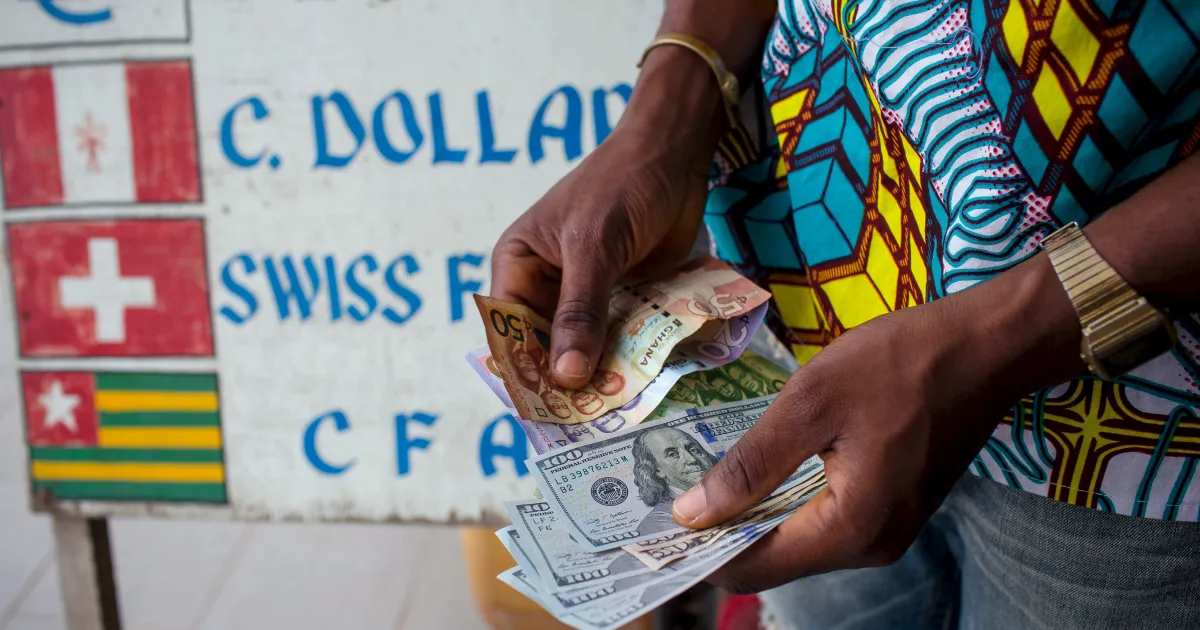

Databank Research’s forecast of a modest 7.2 per cent depreciation for the Ghana Cedi in 2026—projecting a year-end rate of GH¢12.85 to the US dollar—offers a measured but significant indicator of the West African monetary landscape’s gradual evolution. The outlook, conditioned on the absence of major economic shocks, suggests that the combination of gold-backed revenue streams, continued multilateral support, and tighter regulatory oversight may be yielding cumulative benefits for Ghana’s external position, with implications for regional trade and investment flows.
The forecast’s underlying assumptions merit careful examination. The anticipated monthly inflow of approximately GH¢750 million from gold-related sources represents a structural shift in Ghana’s foreign exchange generation capacity, moving beyond traditional cocoa receipts toward mineral revenues with potentially greater stability. The Bank of Ghana’s ability to deploy these inflows to smooth currency volatility reflects both improved reserves management and the credibility gains achieved through successive IMF programmes. For businesses operating across West Africa, a relatively stable Cedi reduces the hedging costs and pricing uncertainties that have historically complicated regional commerce.
Equally significant is the report’s emphasis on reforms in the small-scale mining sector as supportive of gold-backed reserves. Formalising artisanal production channels not only addresses environmental and governance concerns but also expands the volume of gold production eligible for official foreign exchange markets. This alignment of regulatory improvement with balance-of-payments objectives offers a template that other resource-dependent economies in the region might study, particularly as global investors increasingly scrutinise environmental, social, and governance (ESG) credentials.
The external environment, as Databank notes, appears broadly supportive. Continued IMF and World Bank engagement underpins investor confidence, while the gradual global shift toward gold reserves over US dollar holdings may indirectly strengthen currencies of major gold producers. For Ghana, this confluence of factors could reduce the vulnerability to US monetary policy spillovers that has historically amplified exchange rate volatility in frontier markets.
However, the forecast’s caveat about “no major economic shocks” acknowledges the fragility underlying these positive indicators. Demand for dollars from importers, energy sector payments, and Eurobond obligations will continue to exert pressure, and any deterioration in terms of trade or delays in multilateral disbursements could quickly alter the trajectory. Moreover, the projected 7.2 per cent depreciation, while modest by recent historical standards, still represents a erosion of purchasing power that affects imported input costs and consumer prices.
For Nigeria, Ghana’s relative currency stability carries both competitive and cooperative dimensions. A more predictable Cedi may attract investment flows that might otherwise consider Nigerian opportunities, particularly in manufacturing and services where exchange rate volatility has been a persistent deterrent. Conversely, greater stability in Ghana could support the broader West African monetary cooperation agenda, potentially easing the path toward the envisioned single currency regime if foundational conditions of fiscal convergence and reserves adequacy are progressively achieved.