
Ghana’s Producer Price Inflation (PPI) eased sharply to 1.4 per cent in October 2025, down from 3.2 per cent in September, according to the latest data released by the Ghana Statistical Service (GSS). The 1.8-percentage-point decline highlights a notable moderation in input cost pressures across key sectors of the economy, signalling a temporary reprieve for businesses grappling with rising operational costs and supply chain bottlenecks.
The Mining and Quarrying sector, which carries the largest weight in the PPI basket at 43.7 per cent, experienced the most dramatic slowdown, with producer inflation plummeting from 5.0 per cent in September to just 0.7 per cent in October. This sharp deceleration reflects lower commodity prices and improvements in operational efficiencies, alongside a gradual easing of energy and logistics constraints that have historically inflated production costs. For Ghana, a country whose export earnings rely heavily on minerals, lower input cost pressures in mining can enhance competitiveness while supporting investment in capacity expansion and technology upgrades.
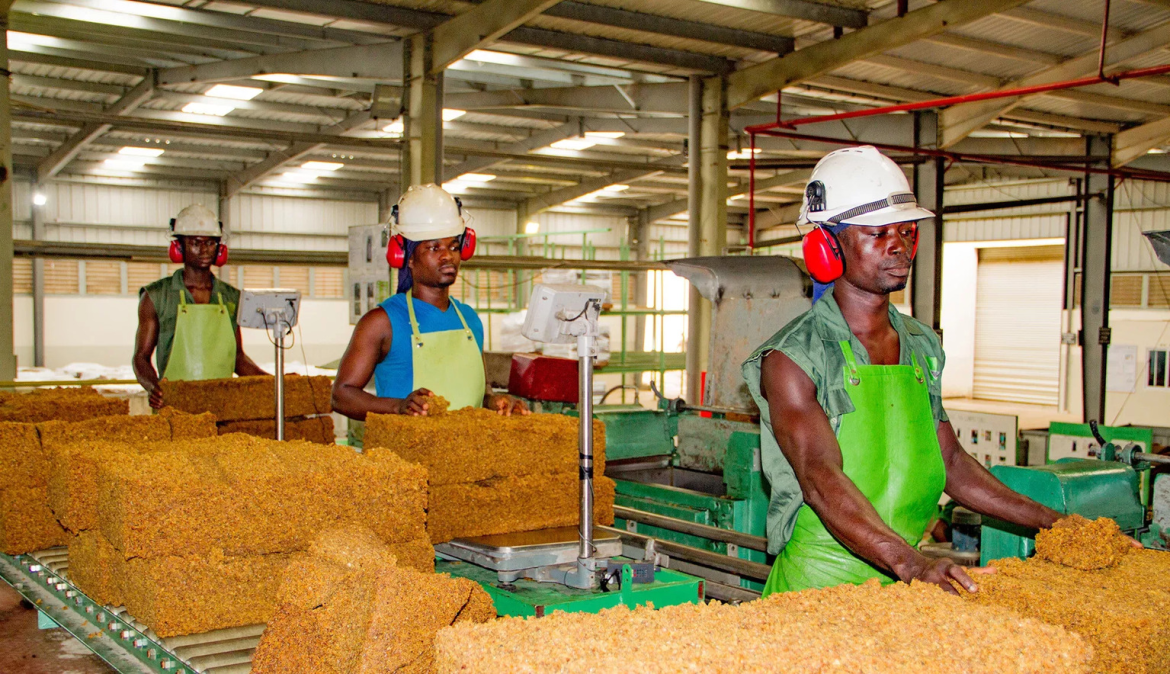
Manufacturing, which constitutes 35 per cent of the PPI index, saw a modest uptick in producer inflation, rising from 1.7 per cent to 2.5 per cent. Despite this increase, the rate remains far below the 22.7 per cent recorded in the same month a year earlier, suggesting that cost pressures in the sector have largely subsided over the past 12 months. This moderation offers relief to manufacturers, many of whom continue to face challenges related to energy costs, imported raw materials, and currency volatility. A more stable input price environment could help firms restore margins, reinvest in equipment and technology, and gradually rebuild competitiveness in domestic and regional markets.
The Transport and Storage subsector continued its downward trajectory, with producer inflation falling further from -8.2 per cent to -8.8 per cent. This deflationary trend highlights easing costs in logistics and freight services, which has direct implications for the broader economy by lowering the cost of moving goods and potentially reducing retail prices. For households and businesses, lower transport costs can increase disposable income, reduce production expenses, and support consumption, contributing to overall economic stability.
The GSS recommended that businesses respond to the moderation in PPI by cutting costs and boosting efficiency through streamlining operations, improving productivity, and upgrading technology. Firms that expand capacity and adopt modern production methods are likely to benefit from both reduced operational costs and enhanced market competitiveness. The statistical service also advised the government to focus incentives on businesses that invest in productivity-enhancing initiatives, such as energy efficiency, logistics improvement, and technological modernisation. Addressing structural challenges in the economy remains critical to ensuring sustained moderation in producer prices and to preventing sudden spikes in inflation that could disrupt economic activity.
For households, the GSS encouraged smart consumption strategies, including careful price comparison and prioritising value purchases. This advice aligns with broader efforts to temper consumer inflationary pressures, which, while currently subdued in producer terms, could translate into higher retail prices if cost savings are not passed on along the supply chain.
Economically, the decline in PPI is significant for Ghana as it signals a potential easing of inflationary pressures on both businesses and consumers. Lower input costs can improve corporate profitability, support investment, and encourage expansion in key sectors such as manufacturing and mining. At the same time, it reduces pressure on monetary policy, providing the Bank of Ghana with more flexibility in interest rate decisions without compromising inflation targets. The moderation in PPI also enhances competitiveness for exporters, particularly in mineral-based products and manufactured goods, by keeping production costs relatively stable in the context of fluctuating global commodity markets.
Conclusively, October 2025’s PPI data reflects a favourable shift in Ghana’s production cost environment. While Mining and Quarrying drive the bulk of the moderation, improvements in manufacturing and transport also contribute to a more stable input price landscape. For policymakers, the challenge remains to convert this temporary relief into sustained productivity gains, structural efficiency, and technological advancement. For businesses, the data underscores the importance of cost discipline, investment in capacity, and strategic planning. If effectively harnessed, the decline in producer inflation could support stronger industrial growth, enhance competitiveness, and improve household purchasing power across Ghana.