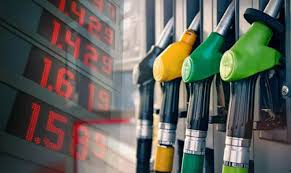

Ghana’s National Petroleum Authority (NPA) has raised minimum price floors for petroleum products effective April 1, 2026, signalling higher fuel costs for consumers across the West African nation. Under the new pricing window, petrol will sell no lower than GH¢13.30 per litre, up from GH¢11.57, while diesel recorded the sharpest increase, jumping to GH¢17.10 from GH¢14.35. Liquefied Petroleum Gas also edged up slightly to GH¢10.71 per kilogramme.
The directive requires all Oil Marketing Companies to comply, meaning firms currently selling below the established threshold must raise their prices. Final pump prices are expected to rise further once additional margins and levies are included, potentially adding to transportation and production costs across the economy.
The move has sparked debate within the industry, with some stakeholders questioning the need for a price floor in a liberalised market. Critics argue that market forces should determine pricing and that government intervention could distort competition. However, NPA Chief Executive Godwin Kudzo Tameklo defended the policy, stating that it is necessary to protect market stability and ensure fair competition among operators.
From an economic perspective, higher fuel prices transmit quickly to transportation costs, food prices, and general inflation. Ghana has been navigating a difficult macroeconomic environment, including currency pressures and public debt sustainability concerns. The timing of the price floor increase, coming after a period of relative stability in global crude markets, may add to household budget pressures and affect disposable income.
The policy also has implications for Ghana’s energy transition agenda. Higher prices for Liquefied Petroleum Gas could affect household adoption of cleaner cooking fuels, potentially slowing progress toward reducing reliance on biomass. The NPA will need to balance the objectives of market stability, consumer protection, and environmental sustainability as the policy takes effect.
For businesses, particularly those in transport-intensive sectors such as agriculture, manufacturing, and logistics, the higher fuel floors represent an additional input cost that may be passed on to consumers. The Bank of Ghana will be monitoring the inflationary impact as it continues its monetary policy tightening cycle aimed at stabilising the cedi and moderating price increases.