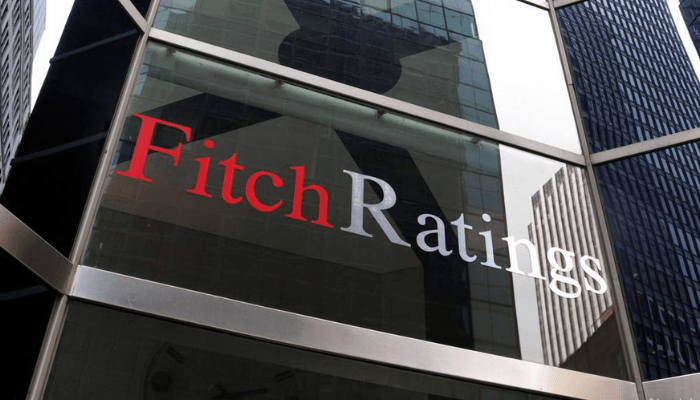

Fitch Ratings has formally withdrawn all its credit ratings and analytical coverage of the African Export-Import Bank (Afreximbank), a move that underscores a sharp breakdown in the relationship between the global credit assessor and the Cairo-based multilateral lender. The decision comes shortly after Afreximbank announced it had ended its engagement with Fitch amid disagreements over how its creditworthiness and mission were being evaluated.
In a statement released Wednesday, Fitch said it was pulling its ratings for commercial reasons, effectively stepping back from providing ongoing analytical coverage of the bank. The withdrawal follows Afreximbank’s earlier announcement that it had terminated the rating relationship, saying the exercise no longer reflected a sound understanding of the lender’s Establishment Agreement, mission, or mandate.
Simultaneously with the ratings withdrawal, Fitch cut its assessment of Afreximbank’s credit profile to “junk” status, downgrading its long-term issuer default rating to BB+ from BBB-, while retaining a stable outlook. Fitch officials said the downgrade reflected a reassessment of the bank’s policy importance risk, shifting it from “low” to “medium.” This followed news that Afreximbank and the government of Ghana had reached an agreement in principle on restructuring a $750 million sovereign loan owed by Ghana. In Fitch’s view, the deal suggested that Afreximbank did not benefit from the kind of preferred creditor status that typically shields multilateral lenders during sovereign restructurings.
Fitch also cited a reassessment of Afreximbank’s business profile risk, raising it from “medium” to “high,” which weakened the bank’s overall business environment score. The agency pointed to the lender’s exposure to countries with weaker credit quality, low per-capita incomes, and heightened political risks as key factors constraining its operating environment.
For its part, Afreximbank has long argued that its preferred creditor status a designation understood to protect creditor institutions during debt restructurings — should shield it from losses when sovereign shareholders renegotiate their debts. According to the bank, this status is embedded in its multilateral Establishment Agreement and supported by the legal protections afforded by its 53 member states. However, both Ghana and Zambia have reportedly insisted during negotiations that Afreximbank provide debt relief on terms comparable to those offered to official bilateral creditors, challenging the bank’s assertion that it is immune from restructuring concessions.
The discord with Fitch and the ratings downgrade add to ongoing debates about how regional development banks’ creditworthiness should be assessed, particularly when these institutions play unique roles in financing African trade and development. Governments, multilateral lenders, and major global rating agencies continue to grapple with the framework used to treat such lenders in sovereign debt restructuring contexts.
The latest development could have implications for Afreximbank’s future borrowing costs and investor perceptions, though other agencies like Moody’s and GCR continue to rate the bank. Fitch’s withdrawal marks a significant chapter in the evolving relationship between global rating firms and Africa’s premier trade finance institution.